




What's Happening?
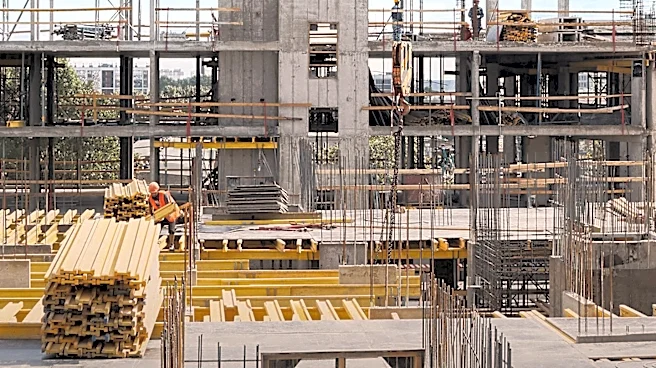
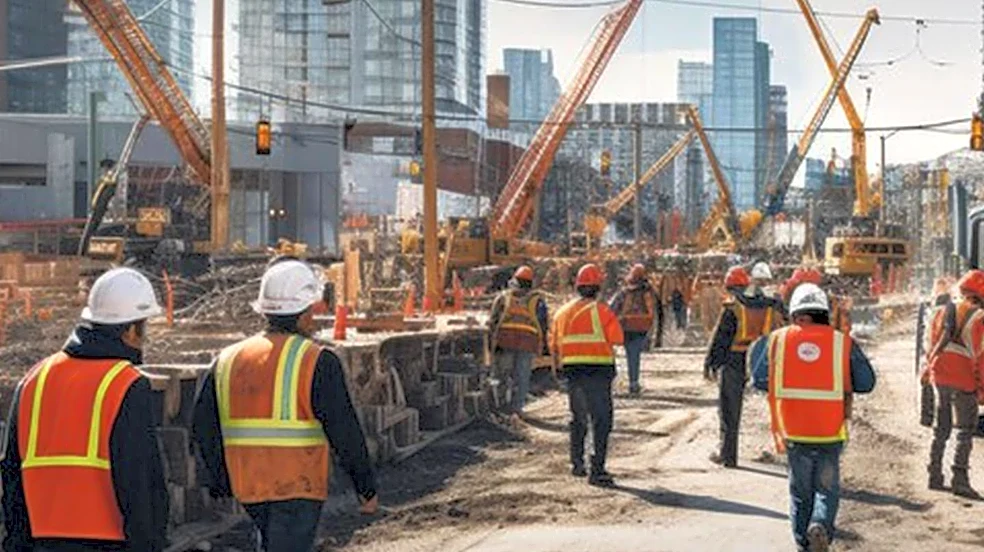
Eugene is commencing its first downtown housing project in over ten years, aiming to transform a long-empty building into more than a hundred apartments by spring 2028. The project involves the demolition of the former Lane Community College building at
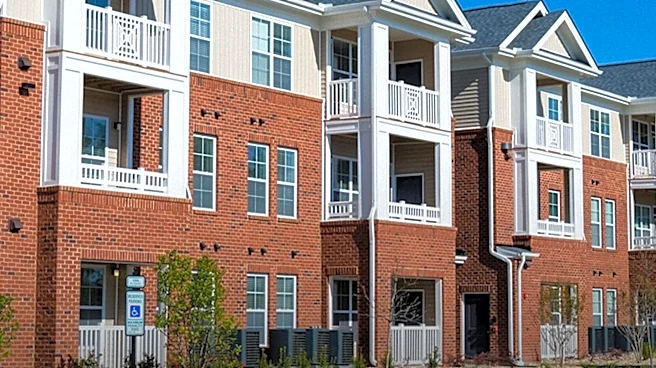
1059 Willamette Street, which the City of Eugene acquired in 2020 specifically for housing development. The six-story structure will feature 133 apartments, with 68 designated as affordable housing for households earning up to 80% of the area median income (approximately $55,000 for a single person), and these units will remain affordable for 35 years. The remaining 65 units will be market-rate. Additionally, ten apartments are allocated for survivors of domestic violence. The project, costing $38.3 million, is funded through urban renewal dollars and a moderate-income housing fee collected from Gordon Lofts, with the city also providing federally funded land to developer deChase Miksis at no cost. The development will also include ground-floor commercial space and a public art gallery.
Why It's Important?
This housing project is critically important for Eugene as it directly addresses a severe housing shortage and aims to revitalize the downtown core. The city has not seen new housing in its core for over a decade, contributing to affordability challenges and a lack of urban vibrancy. By providing 68 affordable units, the project targets a significant gap in housing options for moderate-income households, a demographic often underserved by existing affordable housing programs which typically focus on those earning up to 60% of the area median income. The inclusion of units for domestic violence survivors highlights a commitment to supporting vulnerable populations. Beyond housing, the integration of commercial space and a public art gallery is expected to boost downtown vitality, shifting away from a reliance on daytime workers to a more resident-centric urban environment. This initiative could serve as a model for other cities facing similar housing and urban revitalization challenges, demonstrating how strategic public-private partnerships and targeted funding can stimulate development.
What's Next?
Crews are scheduled to begin demolishing the former Lane Community College building on November 2, with a groundbreaking ceremony planned for later this winter. The project is slated for completion by spring 2028. During the construction phase, there may be some traffic and parking impacts along 11th Avenue and Willamette Street, which residents and commuters should anticipate. The City of Eugene is also actively working on developing multiple programs to financially support additional moderate-income housing projects, recognizing the persistent gap in this housing segment. The success of this initial project could influence future urban development strategies and funding allocations for similar initiatives. Stakeholders, including city officials, developers, and community groups, will likely monitor the project's progress and its impact on downtown revitalization and housing affordability. The long-term affordability commitment for a significant portion of the units will ensure sustained benefits for the community.
Beyond the Headlines
This housing development in Eugene carries deeper implications for urban planning and social equity. The decision to prioritize moderate-income housing and units for domestic violence survivors reflects a growing awareness of diverse housing needs beyond just low-income populations. The project's funding model, utilizing urban renewal dollars and fees from other developments, showcases innovative approaches to financing public good initiatives. The emphasis on revitalizing downtown through residential density rather than solely commercial activity represents a broader shift in urban development philosophy, aiming to create more vibrant, walkable, and sustainable city centers. The inclusion of public art and commercial spaces also speaks to a holistic vision of urban renewal that integrates cultural and economic elements. This project could set a precedent for how cities can leverage existing assets and creative financing to address complex challenges like housing shortages and urban decay, fostering more inclusive and dynamic communities.