







What's Happening?
NASA Administrator Jared Isaacman informed lawmakers that the Artemis III mission, initially scheduled for an earlier date, will now launch no earlier than late 2027. This delay is attributed to the readiness timelines of SpaceX and Blue Origin, NASA's
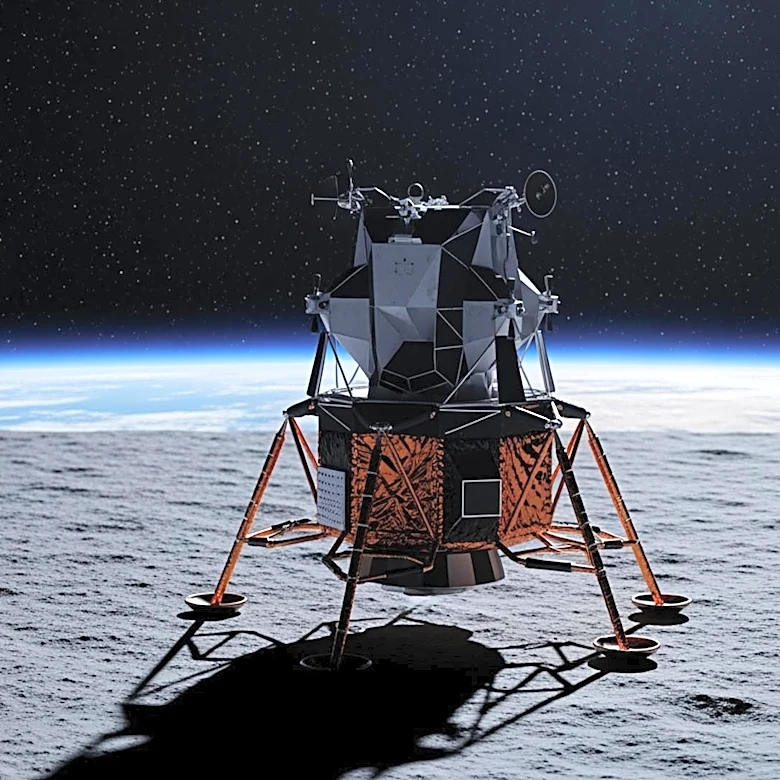
contractors for lunar landers. The mission will involve launching an Orion capsule to Earth orbit, where it will rendezvous with one or both of the landers. The mission's details, including the orbit's altitude and the configuration of the Space Launch System (SLS) rocket, are still under review. The decision to conduct the mission in Earth orbit rather than a lunar landing is to ensure safety and allow for testing in a more controlled environment.
Why It's Important?
The delay in the Artemis III mission underscores the complexities and challenges of coordinating with private contractors like SpaceX and Blue Origin. This mission is crucial for NASA's long-term lunar exploration goals, as it will test critical technologies and operations needed for future lunar landings. The delay could impact NASA's timeline for subsequent Artemis missions, which aim to establish a sustainable human presence on the Moon. Additionally, the delay may affect international collaborations and competition, particularly with countries like China, which are also advancing their lunar exploration programs.
What's Next?
NASA will continue to work closely with SpaceX and Blue Origin to ensure the readiness of their lunar landers. The agency is also reviewing the Artemis III flight plan to optimize the mission's objectives and safety. Future Artemis missions, including potential lunar landings, will depend on the successful completion of Artemis III. NASA aims to maintain a cadence of at least one Artemis mission per year, with Artemis IV potentially putting astronauts on the Moon as early as 2028.