





What's Happening?
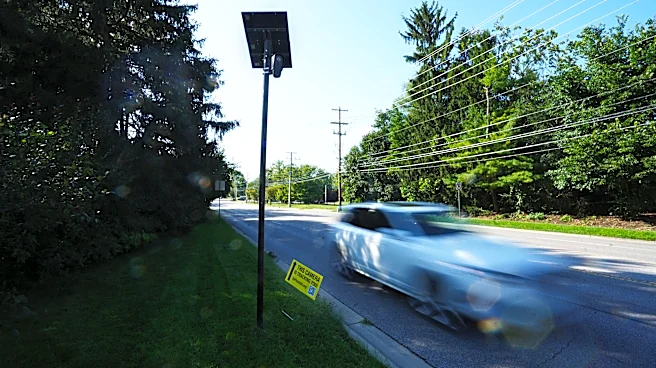
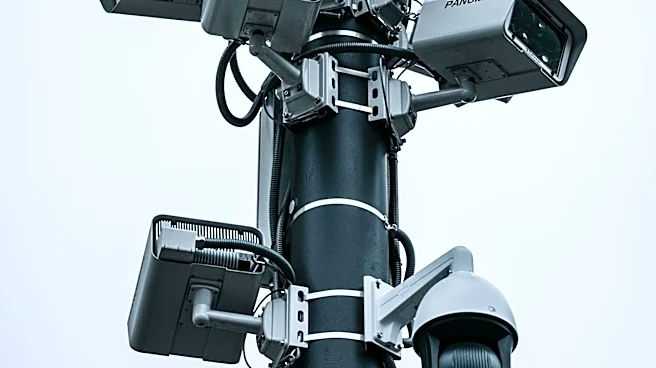
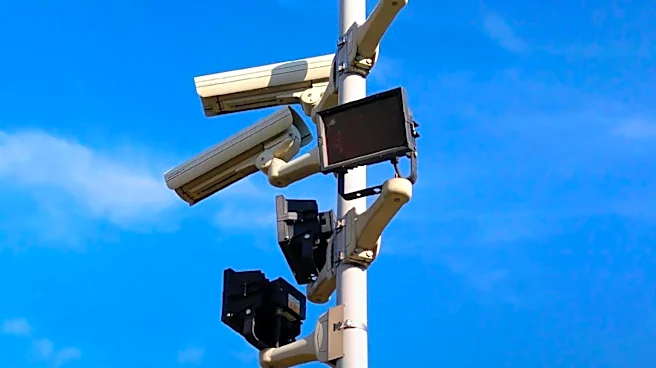
The American Civil Liberties Union (ACLU) of Rhode Island has expressed significant concerns regarding the lack of transparency surrounding the use of Flock Safety's automated license plate reader (ALPR) cameras by various police departments across the state.
The ACLU highlights that Flock Safety, despite claiming to be the 'most transparent law enforcement tool,' makes it difficult to access their transparency portals. These portals are designed to provide public information on ALPR data usage, including the number of cameras, vehicles detected, search sessions, and hotlist hits over the past 30 days. The ACLU noted that links to these portals often do not appear in search results, and in some cases, police departments have not activated or maintained their transparency portals as required by policy. For instance, the Tiverton police department only activated its portal after the ACLU pointed out its absence, and Coventry has cameras but no published portal. Narragansett, which recently terminated its contract with Flock Safety, never established a portal during its active years. The ACLU also reported being rate-limited and temporarily banned from accessing Flock Safety portals, further hindering their ability to monitor these systems.
Why It's Important?
This issue is important because it directly impacts public oversight and accountability of law enforcement surveillance technologies. The lack of accessible and up-to-date transparency portals prevents citizens and watchdog organizations from understanding the extent to which ALPR data is collected and utilized by police departments. This opacity can erode public trust and raise concerns about privacy rights, as ALPR systems continuously collect vast amounts of data on vehicle movements. Without clear transparency, it becomes challenging to assess whether these systems are being used appropriately, disproportionately, or in ways that could infringe on civil liberties. The ACLU emphasizes that the information on these portals is crucial for understanding data collection and usage patterns, especially given the time and cost associated with public records requests. The difficulty in accessing this information suggests a systemic problem in ensuring that advanced surveillance technologies are deployed with adequate public scrutiny and safeguards.
What's Next?
The ACLU of Rhode Island plans to continue monitoring the use of Flock Safety and other ALPR camera companies across the state. They are urging concerned citizens to report any discussions or agenda items related to surveillance cameras at local council meetings to help maintain oversight. This ongoing advocacy suggests that there will be continued pressure on police departments and Flock Safety to improve transparency and accessibility of information. It is likely that the ACLU will continue to engage with municipalities and law enforcement agencies to push for the activation and regular updating of transparency portals, as well as to advocate for policies that ensure greater public access to data on ALPR usage. Future actions could include public awareness campaigns, legal challenges, or legislative efforts aimed at mandating clearer transparency requirements for surveillance technologies.
Beyond the Headlines
The challenges highlighted by the ACLU extend beyond mere technical access to information; they touch upon fundamental questions of privacy, civil liberties, and the balance of power between government surveillance and individual rights in a technologically advanced society. The difficulty in accessing transparency portals for ALPR systems underscores a broader trend where new technologies are adopted by law enforcement with insufficient public debate or oversight. This situation can lead to a 'surveillance creep,' where data collection capabilities expand without corresponding increases in accountability mechanisms. The ethical implications include the potential for mission creep, where data collected for one purpose (e.g., Amber Alerts) could be used for others, and the risk of creating comprehensive databases of citizens' movements without their explicit consent or knowledge. The long-term shift could be towards a society where constant digital surveillance becomes normalized, making it imperative for civil society organizations to continuously advocate for robust transparency and privacy protections.