


What's Happening?
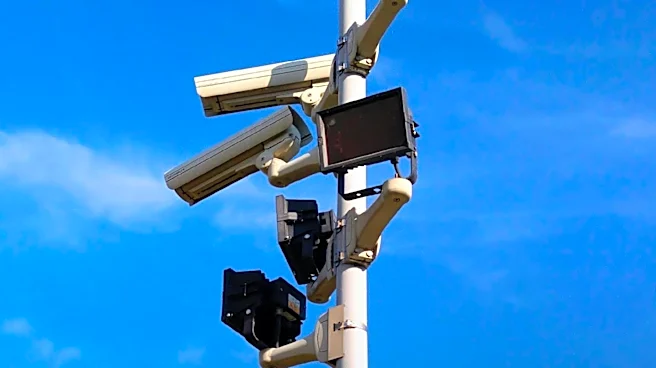
Hood County Constable John D. Shirley has issued a warning regarding the potential for expanding networks of Flock automated license plate readers (ALPRs) to facilitate a nationwide surveillance system. Following privacy and mass surveillance concerns
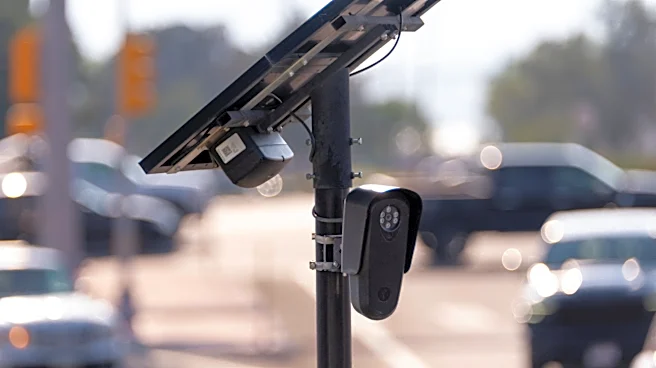
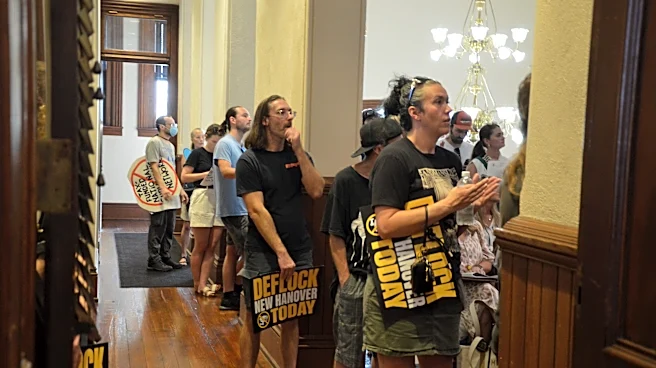
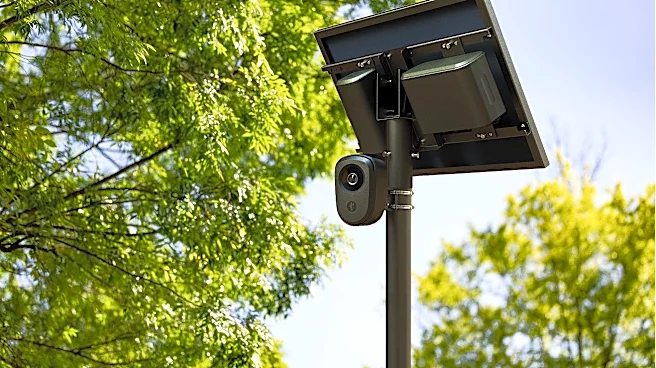
raised by residents and commissioners, Hood County, located southwest of Fort Worth, has unplugged and covered its county-operated Flock cameras. Constable Shirley, a retired Houston Police Department sergeant, stated that his office has completed the process of disabling these cameras and has called for Flock to remove the equipment. While acknowledging the utility of technology in law enforcement for locating stolen vehicles and identifying suspects, Shirley's primary concern lies with the aggregation of individual cameras into a larger, interconnected system capable of tracking vehicle movements across jurisdictions.
Why It's Important?
The debate surrounding Flock cameras and their potential to create a nationwide surveillance network highlights a critical tension between public safety and individual privacy rights in the U.S. The ability of government agencies to collect, search, and share data on vehicle movements across multiple jurisdictions raises significant civil liberties concerns. While law enforcement values these tools for crime investigation, the prospect of a system capable of tracking the movements of all citizens, rather than just those suspected of crimes, prompts questions about the scope of government surveillance. This issue transcends traditional political divides, as both conservatives and liberals express apprehension about unchecked government power. The actions taken by Hood County could serve as a precedent for other communities grappling with similar privacy concerns regarding ALPR technology.
What's Next?
Constable Shirley urges Americans to actively question and understand the functionalities of ALPR systems before their widespread implementation. He advises communities to inquire about data access, retention periods, sharing protocols, and the safeguards in place, as well as the consequences if these safeguards fail. Flock, in response to privacy concerns, has recently changed its recommended default data retention period from 30 days to seven days and plans to require case codes for all law enforcement searches and Audit Assistance for all law enforcement customers by the end of 2026. The company also states that customers own their data and control access and sharing. The ongoing discussion will likely involve further scrutiny of Flock's policies and potential legislative actions to regulate the use of ALPR technology at local, state, and federal levels to balance law enforcement needs with privacy protections.
Beyond the Headlines
The controversy surrounding Flock cameras delves into deeper ethical and legal implications concerning the future of privacy in a technologically advanced society. The concept of a 'National LPR Network' raises questions about the 'right to be forgotten' and the potential for data misuse or breaches. The aggregation of seemingly innocuous data points (vehicle movements) can, when combined, create comprehensive profiles of individuals' daily lives, potentially leading to unforeseen consequences for personal freedoms and civil liberties. This situation also highlights the need for clear legal frameworks and public discourse to define the boundaries of government surveillance in the digital age, ensuring that technological advancements serve public good without eroding fundamental rights. The debate underscores the importance of proactive policy-making rather than reactive measures once such extensive networks are already established.