






What's Happening?
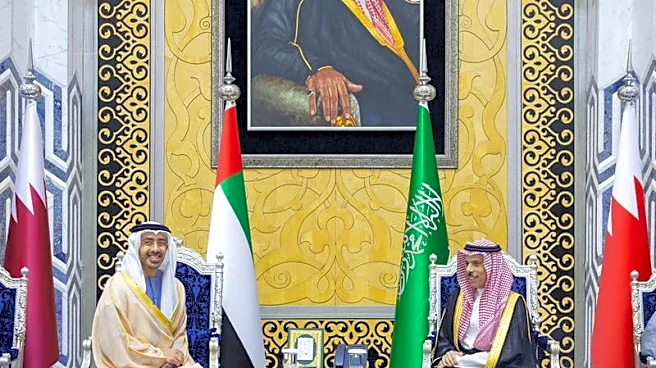
Gulf Cooperation Council (GCC) leaders met in Saudi Arabia to discuss the ongoing U.S.-Iran conflict, marking their first in-person summit since the war began. The meeting, hosted by Saudi Crown Prince Mohammed bin Salman, focused on regional security
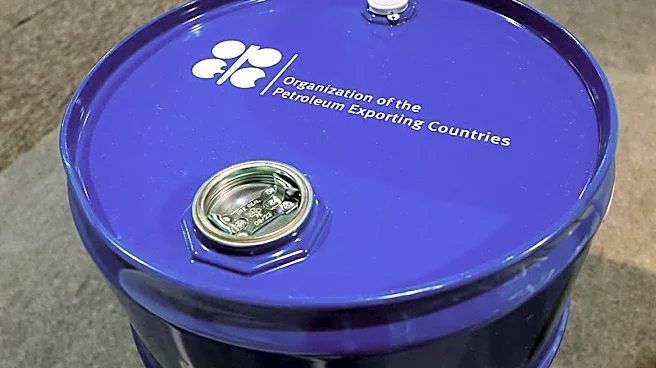
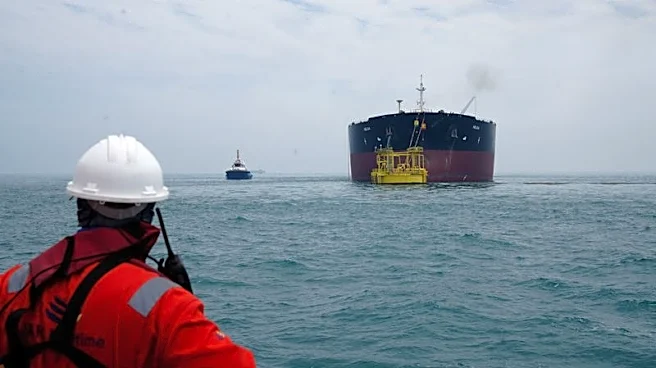
and the need for a diplomatic resolution to the conflict. The GCC leaders emphasized the importance of reopening the Strait of Hormuz, a critical waterway for global oil and gas supplies. The summit coincided with the UAE's decision to leave OPEC, further complicating the region's energy dynamics.
Why It's Important?
The GCC summit underscores the regional impact of the U.S.-Iran conflict, particularly on energy security and economic stability. The closure of the Strait of Hormuz has disrupted global oil supplies, highlighting the need for a diplomatic solution. The GCC's unified stance reflects a collective effort to stabilize the region and prevent further escalation. The UAE's exit from OPEC adds another layer of complexity, as Gulf states navigate shifting alliances and economic strategies in response to the conflict.
What's Next?
The GCC will likely continue to push for a diplomatic resolution to the U.S.-Iran conflict, with a focus on reopening the Strait of Hormuz. The UAE's departure from OPEC may prompt other Gulf states to reassess their positions within the cartel, potentially leading to further changes in the region's energy landscape. The international community will watch closely as Gulf leaders engage in diplomatic efforts to secure a long-term peace agreement and restore stability to the region.