








What's Happening?
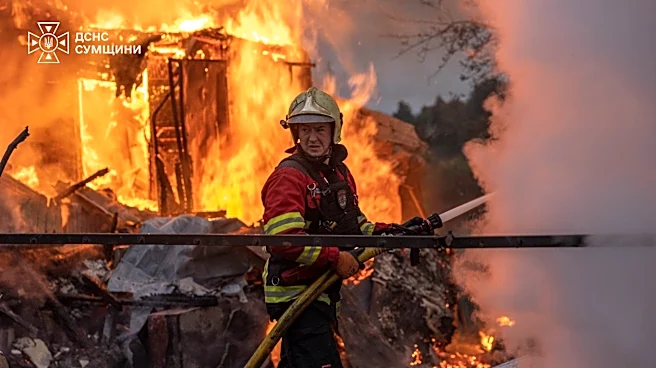
The Conflict and Environment Observatory (CEOBS) is advocating for sustainable recovery processes in countries affected by conflict, emphasizing that such efforts are crucial for rebuilding human security and resilience. Conflicts, whether in Ukraine,
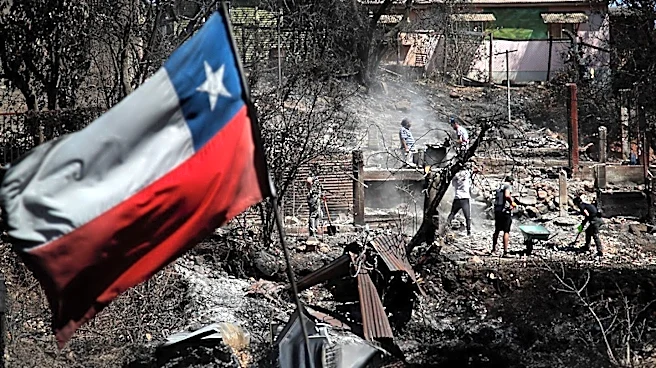
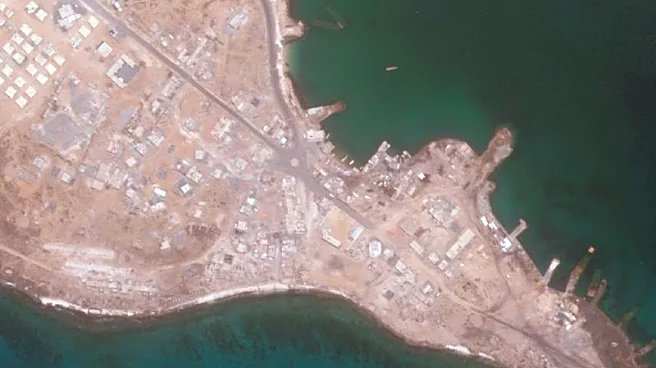
Syria, Gaza, Yemen, or Lebanon, frequently target or disrupt essential systems that communities rely on daily. This includes damage to energy infrastructure, leading to blackouts; contamination or destruction of water facilities, increasing health risks; and degradation of agricultural land due to military activity, pollution, and unexploded ordnance, which reduces food security. Waste management systems also often collapse, creating long-term environmental and health challenges. CEOBS argues that sustainable conflict recovery is not merely about environmental protection but fundamentally about restoring the foundations of human security and resilience, particularly in the face of global crises like climate change, biodiversity loss, and pollution.
Why It's Important?
The focus on sustainable recovery in conflict-affected regions is critical because it addresses the long-term consequences of warfare that extend beyond immediate casualties and infrastructure damage. The environmental impacts of conflict, often overlooked, can perpetuate instability and hinder recovery for years, affecting public health, livelihoods, and economic development. By integrating environmental considerations into recovery efforts, nations can build more resilient communities better equipped to handle future shocks, including those from climate change. This approach is particularly relevant for U.S. foreign policy and humanitarian aid, as it promotes stability in volatile regions, reduces the need for prolonged international intervention, and aligns with broader global sustainability goals. Investing in sustainable recovery can prevent secondary crises, such as mass displacement due to resource scarcity, and foster conditions for lasting peace.
What's Next?
CEOBS suggests that lessons learned from Ukraine's sustainable recovery discourse could be applied to other conflict-affected areas, particularly in the Middle East and North Africa (MENA) region. The organization has identified opportunities for the international community to support similar initiatives globally. This implies a future direction where international aid and recovery programs will increasingly incorporate environmental sustainability and community participation. The goal is to create recovery processes and outcomes that enhance communities' resilience to environmental shocks, support livelihoods, and ultimately improve human security. This will likely involve continued research, policy development, and collaborative efforts between international organizations, governments, and local communities to implement these sustainable recovery frameworks.
Beyond the Headlines
The concept of sustainable recovery in conflict zones highlights a profound shift in understanding the interconnectedness of conflict, environment, and human well-being. It challenges the traditional view of post-conflict reconstruction as solely an economic or political endeavor, emphasizing the critical role of ecological health. This approach has significant ethical implications, as it recognizes the moral obligation to not only cease hostilities but also to repair the environmental damage inflicted, which disproportionately affects vulnerable populations. Culturally, it can foster a deeper appreciation for environmental stewardship as integral to peacebuilding and community healing. Long-term, this could lead to the development of international legal norms that hold parties accountable for environmental damage during conflict and promote restorative justice for affected ecosystems and communities, potentially influencing future U.S. engagement in global conflict resolution.