


What's Happening?
Senator Eric Schmitt has announced a significant federal public safety investment for St. Louis, channeled through the U.S. Department of Justice's Model Cities Initiative. This funding aims to bolster various aspects of public safety and law enforcement
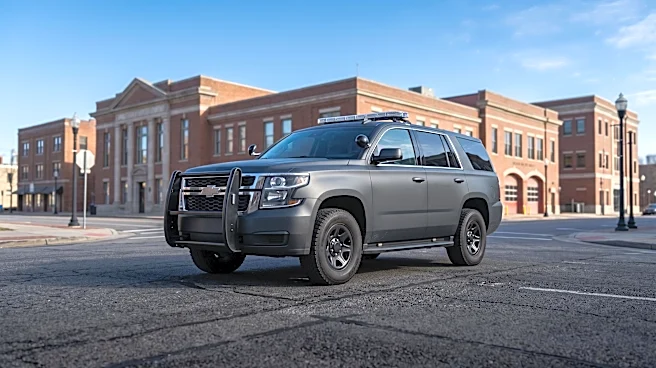
in the city. Key areas of investment include police recruitment, officer compensation, and the enhancement of wellness programs for law enforcement personnel. Additionally, the funding will support improvements to police academy facilities. Technological upgrades are also a major component, with plans to enhance the Real-Time Crime Center, radio communications, and emergency response drones. The investment will also facilitate the acquisition of new police vehicles and ballistic shields. Beyond law enforcement, the initiative seeks to establish a citizen reporting portal, expand a law enforcement-led homeless outreach program, and integrate social workers and victim advocates into public safety efforts. These measures are intended to foster partnerships focused on crisis intervention, treatment, and housing assistance. The total award amount and the disbursement schedule were not specified in the announcement.
Why It's Important?
This federal investment is crucial for St. Louis as it addresses both immediate law enforcement needs and underlying social factors contributing to crime. By funding police recruitment and compensation, the initiative aims to strengthen the city's police force, potentially leading to increased patrols and faster response times. The technological upgrades, such as improvements to the Real-Time Crime Center and the deployment of emergency response drones, are expected to enhance the efficiency and effectiveness of crime prevention and response. Furthermore, the inclusion of social workers and victim advocates, alongside expanded homeless outreach programs, signifies a comprehensive approach to public safety that recognizes the importance of social support services in reducing crime. This integrated strategy could serve as a model for other U.S. cities grappling with similar challenges, demonstrating how federal resources can be leveraged to create safer communities through a combination of enforcement and social intervention.
What's Next?
As the federal public safety investment rolls out in St. Louis, residents can anticipate visible changes in police staffing, equipment, and community engagement. The implementation of a citizen reporting portal is expected to alter how the public interacts with law enforcement, potentially fostering greater transparency and community involvement. The expansion of the homeless outreach program and the integration of social workers and victim advocates will likely lead to more coordinated efforts in addressing social issues that intersect with public safety. City and federal officials will likely provide updates on the progress of these programs, allowing residents to track the impact of the investment. The success of this initiative in St. Louis could influence future federal funding strategies for urban public safety across the U.S., potentially leading to similar programs in other cities facing high crime rates.
Beyond the Headlines
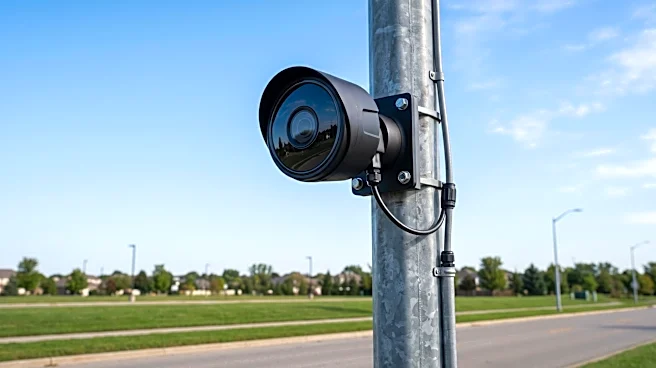
The Model Cities Initiative, as applied in St. Louis, highlights a growing trend in U.S. public safety policy: the integration of law enforcement with social services. This approach acknowledges that crime is often a symptom of deeper societal issues, such as homelessness, mental health crises, and lack of support systems. By combining police resources with outreach programs and social support, the initiative aims to create a more holistic and sustainable solution to crime reduction. This shift could lead to a re-evaluation of traditional policing models, emphasizing community-oriented strategies and preventative measures. The ethical implications of increased surveillance technologies, such as drones and real-time crime centers, will also be a point of discussion, balancing public safety needs with privacy concerns. Ultimately, this initiative could set a precedent for how federal grants are utilized to address complex urban challenges, fostering greater coordination between various governmental and non-governmental entities.