

What's Happening?
Iran is considering a proposal to impose transit fees on vessels passing through the Strait of Hormuz, a critical waterway for global oil and gas shipments. This move comes amid ongoing tensions following the US-Israeli conflict with Iran, during which
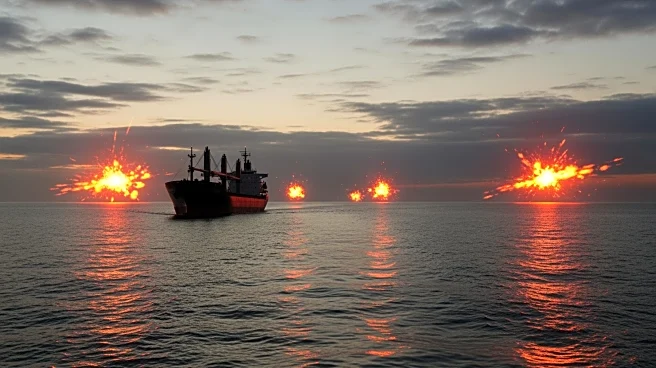
Tehran has disrupted maritime transit for vessels linked to its adversaries. The proposal, under consideration by the Iranian parliament, would require countries using the strait for shipping, energy transit, and food supplies to pay tolls and taxes to Iran. An adviser to Iran's supreme leader indicated that a new regime for the Strait of Hormuz would be established post-conflict, allowing Tehran to enforce maritime restrictions on states that have sanctioned it.
Why It's Important?
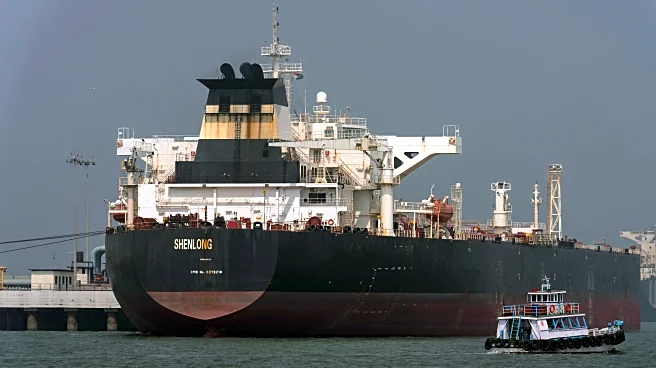
The Strait of Hormuz is a strategic chokepoint through which a significant portion of the world's oil and liquefied gas is transported. Iran's proposal to levy transit fees could have substantial implications for global energy markets, potentially increasing shipping costs and affecting oil prices. This move could also escalate geopolitical tensions, particularly with countries reliant on the strait for energy supplies. The proposal reflects Iran's strategy to leverage its control over the strait as a means of exerting economic pressure on its adversaries, highlighting the intersection of geopolitical conflict and global trade dynamics.
What's Next?
If implemented, the transit fee proposal could lead to diplomatic negotiations or confrontations with affected countries, particularly those heavily reliant on the strait for energy imports. The international community, including major oil-importing nations, may seek to engage with Iran to mitigate potential disruptions. Additionally, the proposal could prompt discussions within international maritime and trade organizations regarding the legality and implications of such fees. The outcome of these developments will be closely watched by global energy markets and geopolitical analysts.