








What's Happening?
Senior US officials have refuted claims that the United States, the United Arab Emirates, or any other country has released billions of dollars in frozen Iranian assets. This denial follows a report by Reuters, which cited unnamed sources alleging that the UAE
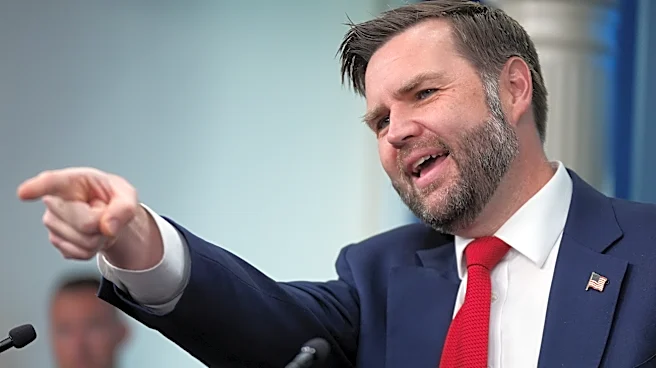
had agreed to release $10 billion, with $3 billion already transferred, as part of a cease-fire deal with Iran. The UAE's Ministry of Foreign Affairs has also denied these allegations, stating that no Iranian funds have been released or facilitated through the UAE. US officials, including Vice President JD Vance, have emphasized that Iran will not receive any funds until it takes significant steps towards denuclearization.
Why It's Important?
The denial of these claims is significant as it underscores the ongoing tensions and complex diplomatic relations between the US, Iran, and Gulf states. The alleged release of funds could have implications for US foreign policy and its efforts to curb Iran's nuclear ambitions. The situation also highlights the delicate balance of power and influence in the Middle East, where financial and diplomatic maneuvers can have far-reaching consequences. The US's firm stance on maintaining sanctions and control over Iranian assets reflects its strategic interests in the region and its commitment to preventing Iran from advancing its nuclear program.
What's Next?
Moving forward, the US and its allies are likely to continue diplomatic efforts to address Iran's nuclear activities and regional behavior. The denial of asset release claims may lead to further scrutiny and verification of financial transactions involving Iran. Additionally, the US may engage in more robust diplomatic discussions with Gulf states to ensure alignment on policies regarding Iran. The situation could also prompt Iran to reassess its strategies and potentially engage in negotiations to ease sanctions and improve its economic situation.