





What's Happening?
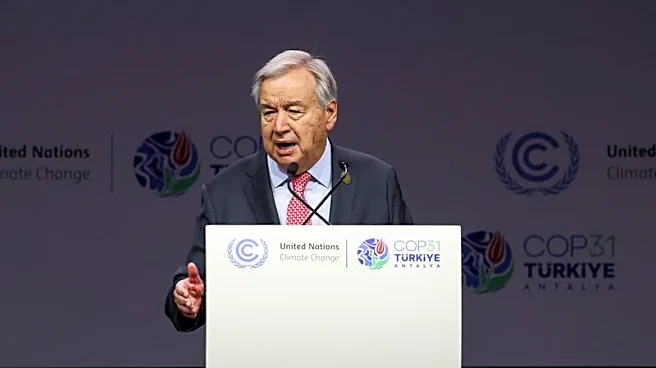
Greenpeace International, with its U.S. branch, launched a large Trojan Horse installation at the UN climate conference COP31 in Antalya, Türkiye. This artistic display, created by Danish artist Thomas Dambo, aims to highlight how the fossil fuel and
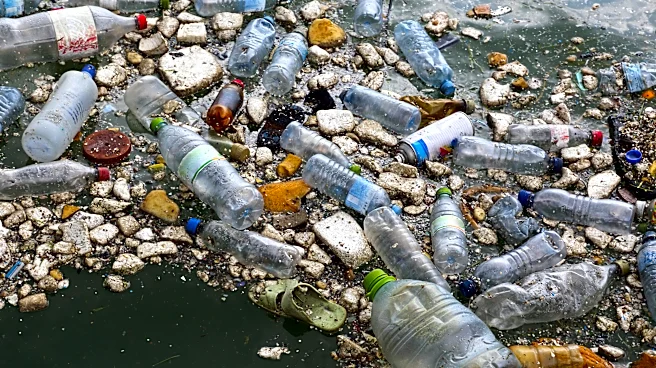
petrochemical industries are using plastic production to maintain their reliance on oil and gas and protect profits. The six-meter-high installation, which poured out plastic when opened, carried a message to world leaders: plastic is 'Big Oil's Trojan Horse.' Jacob Kean-Hammerson, Global Plastics Policy Lead at Greenpeace USA, stated that plastic allows the fossil fuel industry to continue profiting from fossil fuels, climate emissions, and pollution. Greenpeace is urging governments to confront these fossil fuel interests and commit to a just transition away from fossil fuels by significantly cutting plastic production. The organization advocates for a robust Global Plastics Treaty that reduces plastic production at its source, accelerates the transition from fossil fuels, and promotes reuse and refill systems.
Why It's Important?
The initiative by Greenpeace USA underscores the critical link between plastic production and the climate crisis, framing plastic as a strategy by the fossil fuel industry to prolong its business model. This perspective is significant for U.S. policy and environmental advocacy, as it challenges the narrative around plastic waste by focusing on upstream production rather than just downstream recycling. If governments, including the U.S., adopt Greenpeace's call for a strong Global Plastics Treaty that mandates production cuts, it could lead to substantial shifts in industrial policy, energy consumption, and waste management. Such a treaty would impact U.S. petrochemical companies, potentially forcing them to diversify or reduce their plastic output, thereby affecting employment and economic activity in regions heavily reliant on these industries. Consumers could also see changes in product packaging and availability as reuse and refill systems become more prevalent, influencing daily consumption habits and supply chains.
What's Next?
Ahead of the Global Plastics Treaty negotiations scheduled for March 2027, Greenpeace will continue to pressure leaders to address the fossil fuel industry's role in plastic production. The organization's actions at COP31 are part of a broader campaign to influence these upcoming negotiations. Governments, including the U.S., will face increasing calls to take a decisive stance against unchecked plastic production and to support a treaty that includes binding targets for reduction. The debate will likely intensify between environmental groups advocating for stringent regulations and industry stakeholders who may argue for less restrictive measures or technological solutions. The outcome of these negotiations could shape international environmental law and trade policies related to plastics for decades, potentially leading to new regulations on manufacturing, import, and export of plastic products and raw materials. The U.S. delegation's position in these talks will be crucial in determining the treaty's strength and scope.
Beyond the Headlines
The 'Trojan Horse' metaphor employed by Greenpeace USA highlights a deeper, less obvious implication: the strategic pivot of the fossil fuel industry towards plastics as global demand for traditional fuels potentially wanes due to climate action. This suggests that addressing plastic pollution is not merely a waste management issue but a fundamental challenge to the fossil fuel economy. The ethical dimension arises from the industry's alleged strategy to 'lock in demand' for oil and gas through plastic, potentially undermining climate goals and public health. Legally, a strong global plastics treaty could establish precedents for international environmental governance, potentially leading to new forms of corporate accountability for environmental damage across product life cycles. Culturally, the campaign aims to shift public perception of plastic from a convenient material to a symbol of fossil fuel dependency, potentially fostering a broader societal movement towards reduced consumption and circular economy principles. This could trigger long-term shifts in consumer behavior and corporate responsibility beyond current recycling efforts.