






What's Happening?
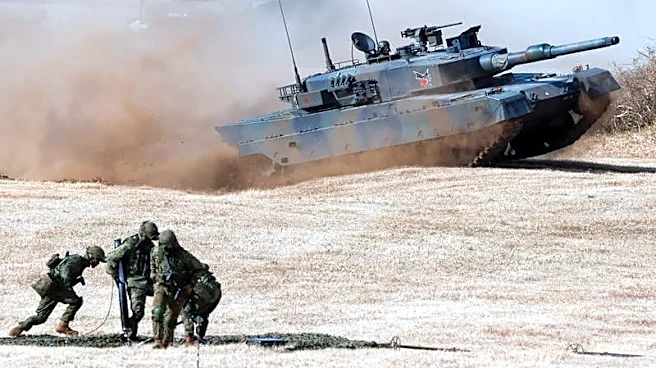
In a significant policy shift, Japan has lifted its ban on exporting lethal weapons, a move that alters its longstanding pacifist stance post-World War II. Prime Minister Sanae Takaichi's administration has approved the export of military equipment, including
fighter jets and warships, to countries that adhere to the United Nations Charter. This change comes as Japan seeks to enhance its defense capabilities in response to regional security threats from China and North Korea. The policy allows for the export of weapons to 17 countries, with potential expansion as more bilateral agreements are formed. The decision has been met with mixed reactions, with some viewing it as a necessary step for national security, while others express concern over its implications for Japan's pacifist constitution.
Why It's Important?
Japan's decision to lift the ban on lethal weapons exports is a strategic move to strengthen its defense industry and military alliances. This policy shift could significantly impact regional security dynamics, particularly in the Asia-Pacific, where tensions with China and North Korea are high. By exporting advanced military technology, Japan aims to bolster its defense partnerships and contribute to regional stability. However, this move also risks escalating military tensions and could provoke a response from neighboring countries wary of Japan's increased militarization. Domestically, the policy has sparked debate over Japan's constitutional commitment to pacifism and its role in international security.
What's Next?
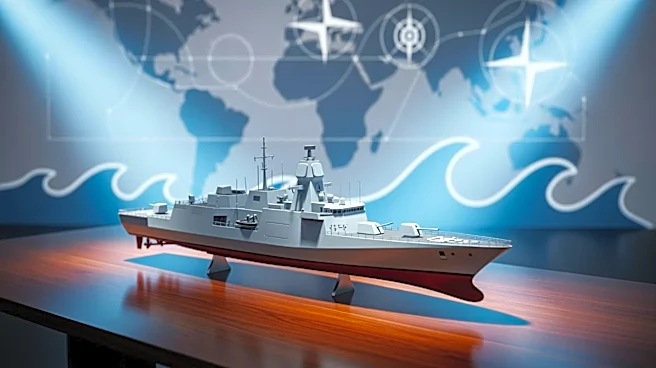
Following the policy change, Japan is expected to deepen its defense ties with countries like Australia, which has already signed a major deal for Japanese warships. The government will continue to regulate arms exports to ensure they align with Japan's security interests and international standards. As Japan navigates this new defense strategy, it may face diplomatic challenges, particularly with China, which has criticized the policy as a step towards militarization. The international community will be closely monitoring Japan's actions to assess the broader implications for regional and global security.