





What's Happening?
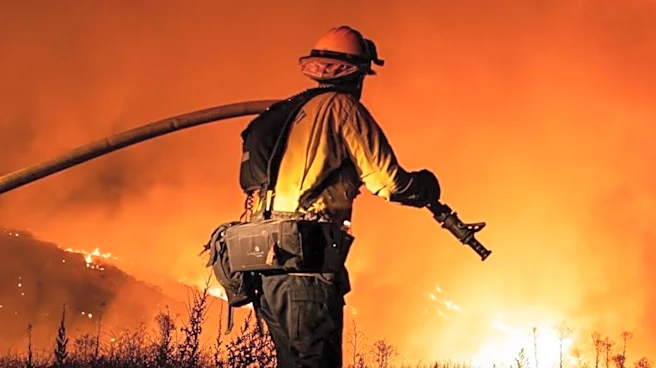
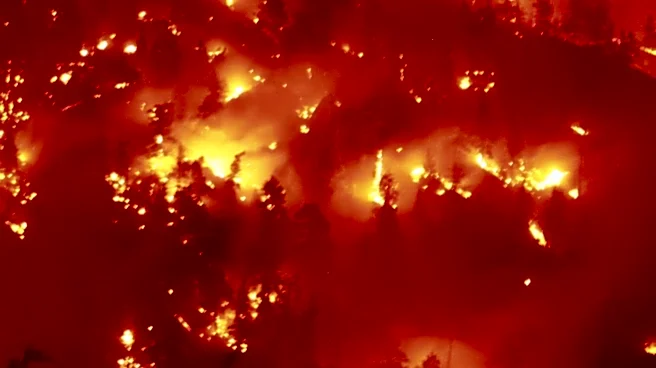
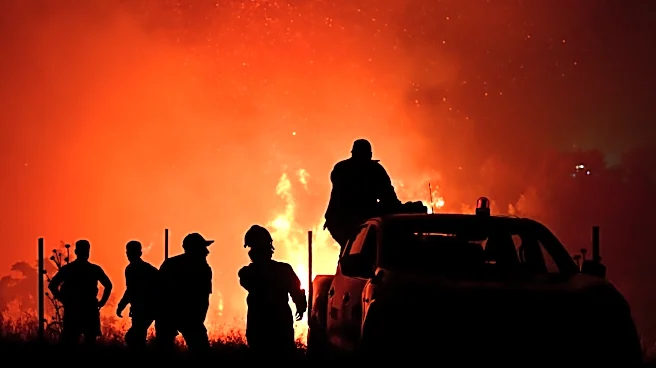
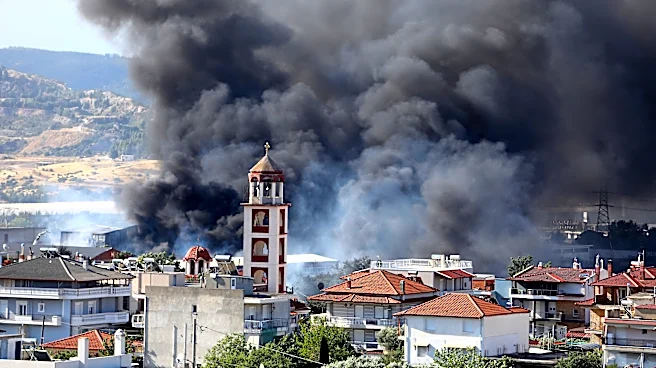
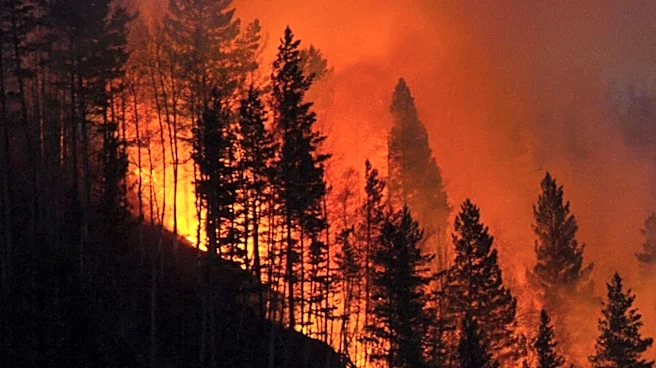
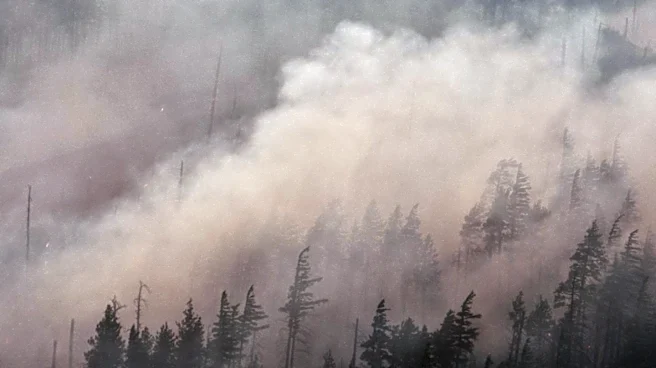
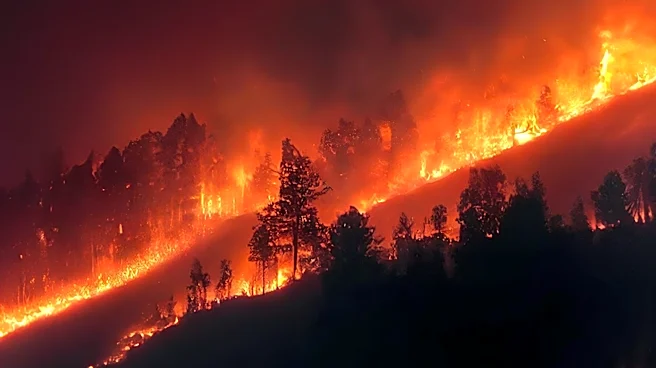
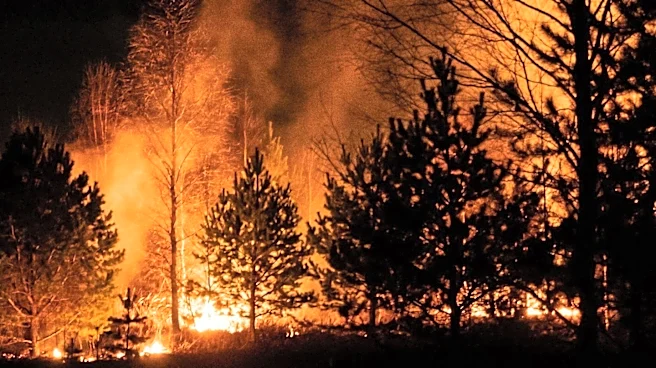
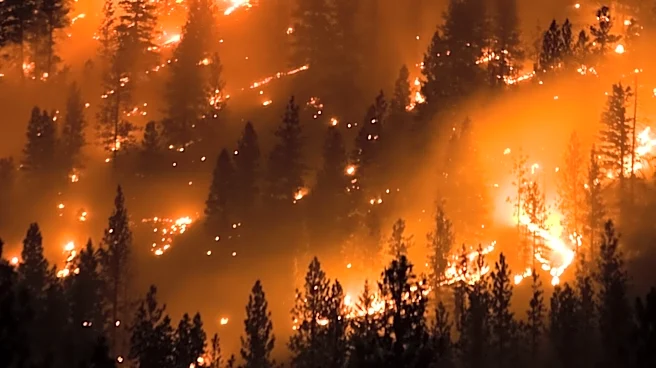
A wildfire in southwestern France has led to the evacuation of more than 10,000 people from towns and villages near the Spanish border. The fire, exacerbated by strong winds, has burned approximately 4,600 hectares in the Pyrenees region. The European
Union is assisting with firefighting efforts by sending waterbombing aircraft from Cyprus and Sweden. The blaze has also impacted the Tour de France, with local authorities closing the race's third stage to the public to facilitate emergency services.
Why It's Important?
The wildfire highlights the increasing vulnerability of regions to natural disasters, exacerbated by climate change. Early summer heatwaves have made large areas of land susceptible to fires, posing significant risks to communities and ecosystems. The situation underscores the need for enhanced disaster preparedness and response strategies, as well as international cooperation in addressing the impacts of climate change. The disruption to major events like the Tour de France also illustrates the broader economic and social implications of such disasters.
What's Next?
Efforts to control the wildfire will continue, with international support playing a crucial role. Authorities will likely focus on preventing further spread and ensuring the safety of affected residents. In the long term, there may be increased emphasis on developing resilient infrastructure and implementing policies to mitigate the effects of climate change. The incident may also prompt discussions on land management practices and the role of technology in disaster response.
Beyond the Headlines
The wildfire serves as a reminder of the interconnectedness of environmental and human systems. It raises questions about land use policies, urban planning, and the balance between development and conservation. The event may also influence public perception and policy regarding climate change, potentially leading to more robust environmental regulations and initiatives.