






What's Happening?
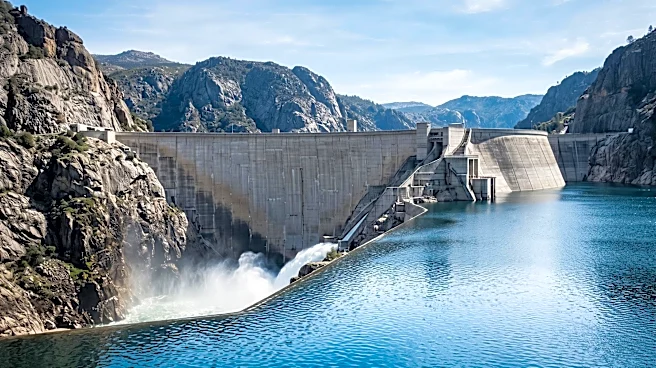
A new global analysis indicates that Ethiopia, despite possessing abundant and affordable clean electricity, is experiencing hindered electrification across its economy due to limited energy access and underdeveloped networks. The country generates nearly
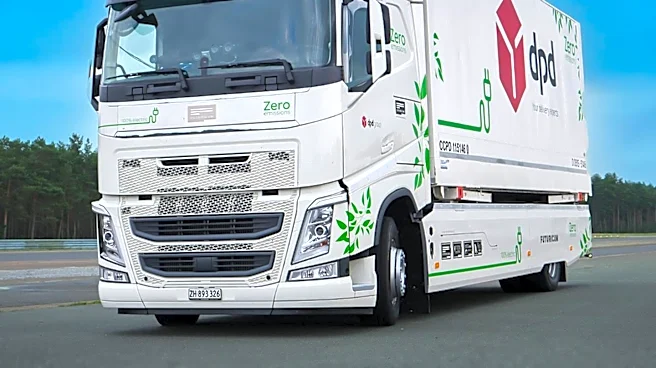
all its electricity from clean sources, primarily hydropower, and has seen rapid adoption of electric vehicles, with 60% of new passenger car purchases in 2024 being electric. However, approximately 40% of the population still lacks electricity access. Inadequate grid infrastructure, limited industrial electrification, and low household electricity use are identified as key constraints. These findings emerge as Ethiopia prepares to host COP32 in Addis Ababa in 2027 and as its parliament approves a US$145.8 million concessional loan from the International Development Association to modernize electricity infrastructure and expand access. The Electrification Competitiveness Index, which assesses electrification progress in 16 countries, places Ethiopia in the 'risk of stalling' group alongside Australia, Brazil, South Korea, and the United States. Ethiopia scores 45% for deployment and 38% for enabling conditions, uniquely showing progress on the ground outpacing supportive policies.
Why It's Important?
Ethiopia's situation highlights a critical global challenge: the gap between clean energy potential and actual deployment due to infrastructure and access limitations. For the U.S. and other developed nations, Ethiopia's experience underscores the importance of not only investing in clean energy generation but also in robust transmission and distribution networks. The analysis suggests that electrification, combined with clean power, can reduce reliance on fossil fuels, enhance energy security, mitigate exposure to volatile fuel prices, foster economic growth, cut emissions, and improve public health. The U.S., also categorized as 'risk of stalling' in the Index, faces similar challenges with grid bottlenecks and policy reversals, indicating that even advanced economies struggle with translating clean energy policies into widespread delivery. This global trend suggests that competitive advantage in the future will increasingly depend on a nation's ability to effectively deploy clean electricity and build the necessary infrastructure, impacting international trade, investment, and geopolitical energy dynamics.
What's Next?
Ethiopia's immediate next steps involve accelerating its National Electrification Programme, expanding grid connections, and increasing off-grid electricity access. Attracting further investment through electricity market reforms will be crucial. The country also aims to strengthen industrial and appliance efficiency standards, enhance training for electrical workers, and extend its successful transport electrification strategies to industrial and building sectors. Continued reform of fossil fuel subsidies is also recommended. For the broader international community, including the U.S., the findings emphasize the need for greater focus on implementation and infrastructure development to bridge the 'global implementation gap' identified by the Index. As countries prepare for COP32, there will likely be increased pressure and collaboration to address these infrastructure deficits, potentially leading to new international partnerships and funding mechanisms aimed at accelerating grid modernization and energy access in developing nations.
Beyond the Headlines
The disparity between Ethiopia's clean energy generation capacity and its population's access to electricity reveals deeper socio-economic and developmental challenges. While the country has made significant strides in green energy production and electric vehicle adoption, the lack of widespread access perpetuates energy poverty, limiting economic opportunities and quality of life for a substantial portion of its citizens. This situation also highlights the ethical imperative for global cooperation in energy infrastructure development, as climate goals cannot be met without equitable access to clean energy worldwide. The 'risk of stalling' designation for the U.S. suggests that even nations with advanced economies face systemic hurdles, such as policy uncertainty and grid-connection delays, which could impede their own clean energy transitions. This points to a broader global issue where policy frameworks often outpace the practical realities of infrastructure development and market incentives, necessitating a more integrated approach that considers technological, economic, and social dimensions of electrification.