




What's Happening?
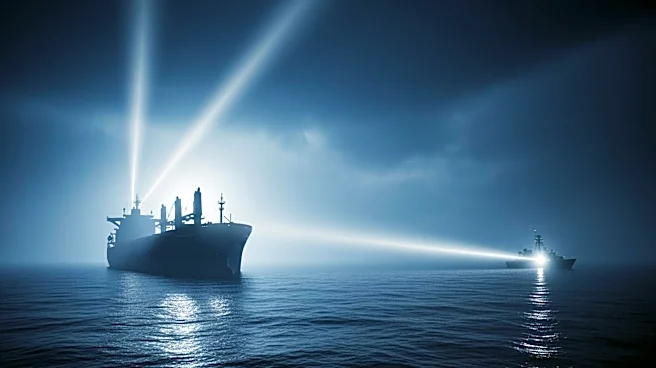
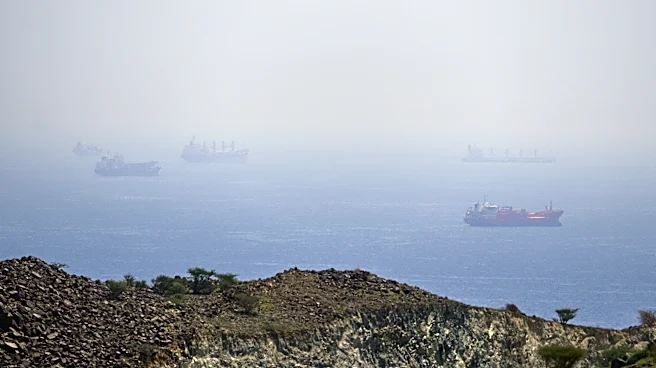
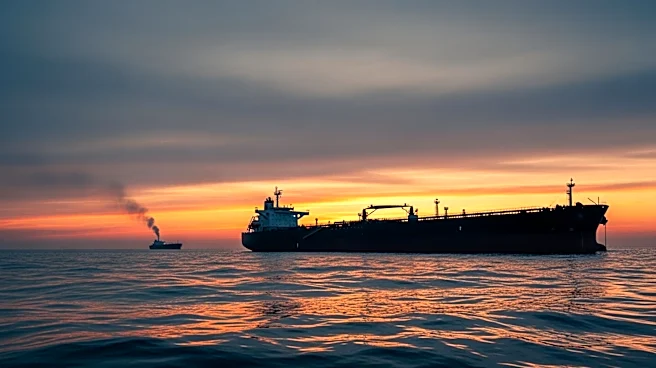
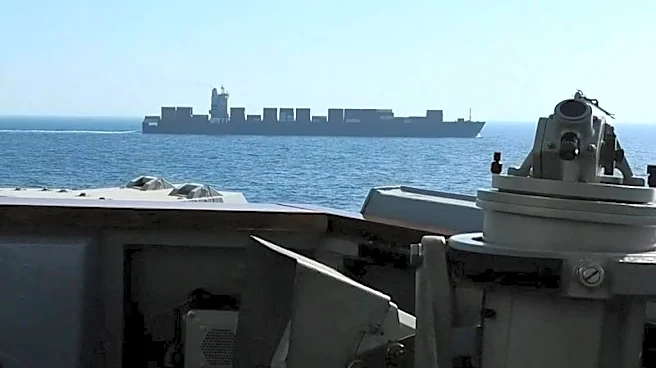
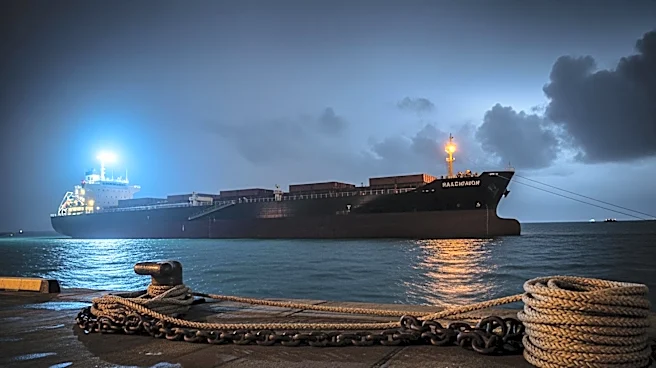
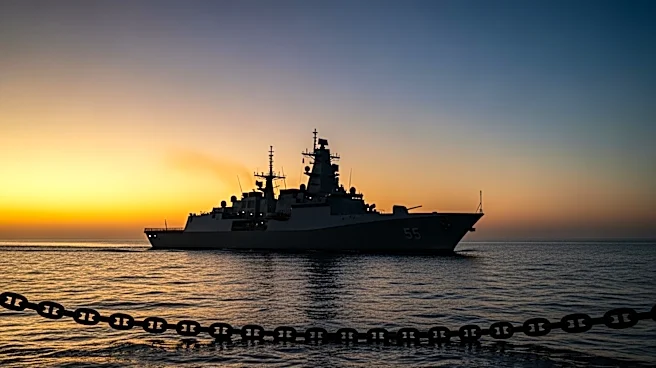
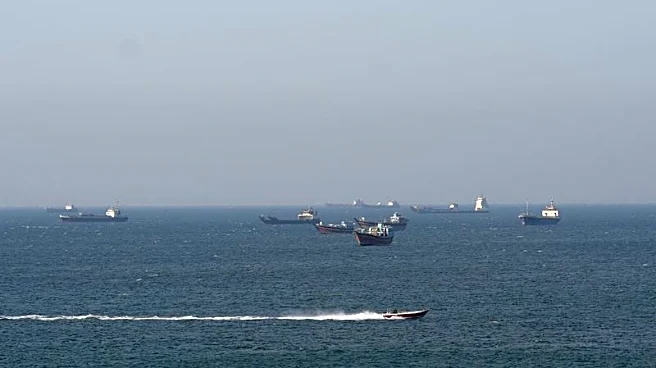
The United States has seized an Iranian cargo ship amid ongoing tensions between the two nations, casting doubt on the future of a cease-fire in the Middle East. The incident occurred as the U.S. continues to enforce a naval blockade of the Strait of Hormuz,
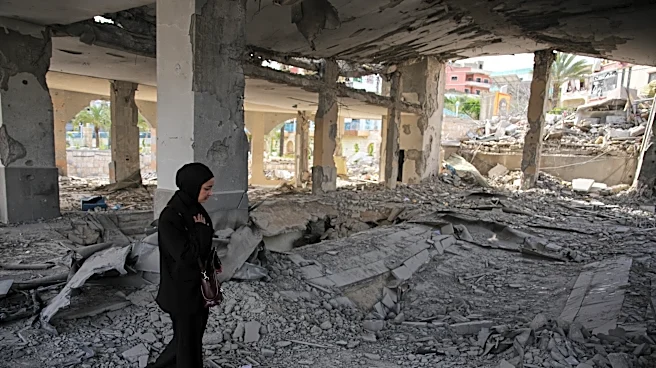
a critical maritime chokepoint. This action has led to heightened military threats between the U.S. and Iran. Iran has announced it will not engage in a second round of negotiations in Pakistan before the cease-fire's expiration on Tuesday. The situation has escalated concerns about the stability of the region and the potential for renewed conflict.
Why It's Important?
The seizure of the Iranian vessel by the U.S. is a significant development in the already tense relations between the two countries. The Strait of Hormuz is a vital passage for global oil shipments, and any disruption could have severe implications for international oil markets and global economic stability. The refusal of Iran to participate in further negotiations could lead to a breakdown of the cease-fire, potentially reigniting hostilities in the region. This situation underscores the fragile nature of peace efforts in the Middle East and the broader geopolitical implications of U.S.-Iran relations.
What's Next?
With the cease-fire set to expire soon, the international community is closely monitoring the situation. The potential for military escalation remains high, and diplomatic efforts may intensify to prevent further conflict. Key stakeholders, including regional powers and international organizations, may seek to mediate between the U.S. and Iran to de-escalate tensions. The outcome of these efforts will be crucial in determining the future stability of the region and the prospects for lasting peace.