





What's Happening?
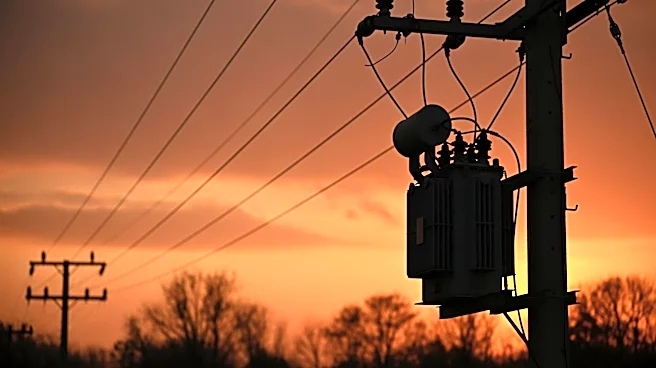
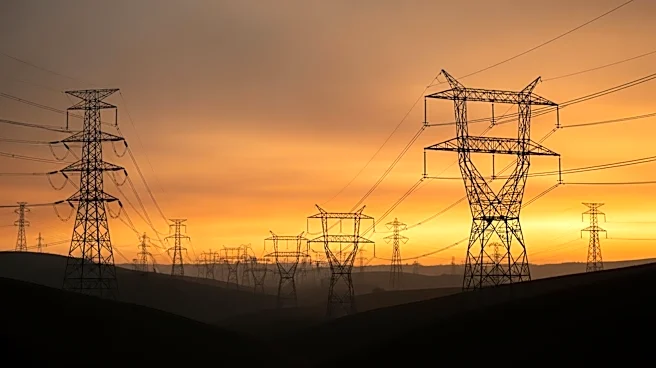
More than 34,000 homes and businesses in California are experiencing power outages due to dry and windy conditions that have heightened the risk of wildfires. PG&E Corp. reported 659 outages affecting 34,322 customers as of early Monday morning, a decrease
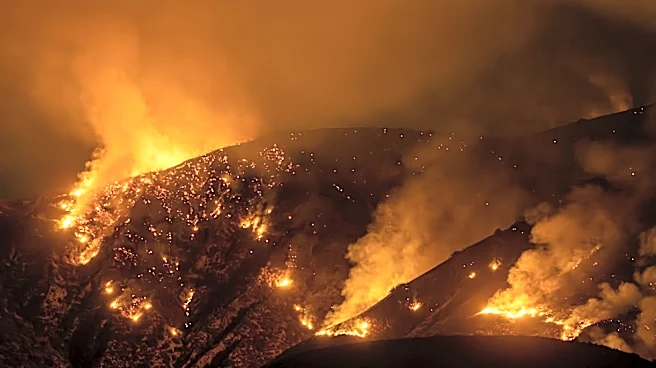
from 779 outages impacting nearly 57,500 customers late Sunday. The outages include both planned and unplanned disruptions, with the utility company implementing proactive power cuts to mitigate fire risks. The U.S. National Weather Service has issued red flag warnings across northern and central California, indicating critical fire weather conditions. PG&E's measures are in response to wind gusts reaching up to 50 miles per hour, which pose a threat of toppling power lines and igniting fires.
Why It's Important?
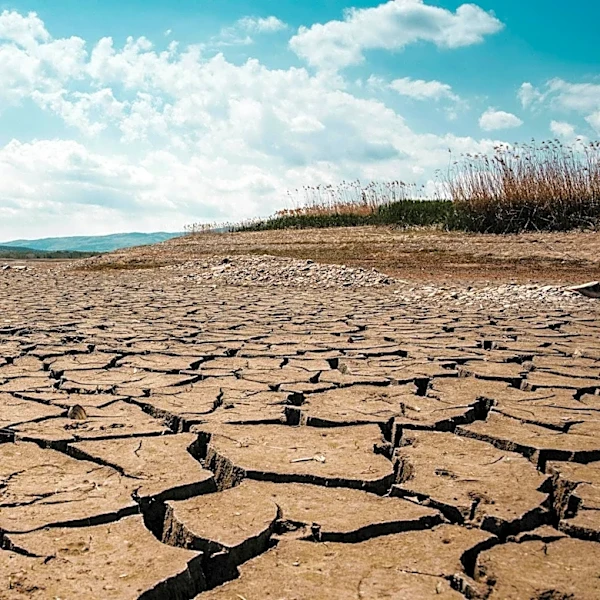
The power outages underscore the ongoing challenges faced by utility companies in California as they balance the need to provide reliable electricity with the imperative to prevent wildfires. These proactive power cuts, while necessary for safety, disrupt daily life and business operations, highlighting the broader impact of climate-related risks on infrastructure and communities. The situation also reflects the increasing frequency and severity of extreme weather events, which are exacerbated by climate change. As utility companies like PG&E navigate these challenges, there are significant implications for energy policy, regulatory frameworks, and the financial stability of these companies, which must invest in infrastructure upgrades and fire prevention measures.
What's Next?
PG&E will continue to monitor weather conditions and may implement further power cuts if necessary to prevent wildfires. The company is likely to face scrutiny from regulators and the public regarding its handling of the outages and its broader fire prevention strategies. In the long term, there may be increased pressure on utility companies to invest in more resilient infrastructure and to develop innovative solutions to manage fire risks. Additionally, state and federal policymakers may consider new regulations or incentives to support these efforts and to address the underlying causes of climate change that contribute to extreme weather conditions.