







What's Happening?
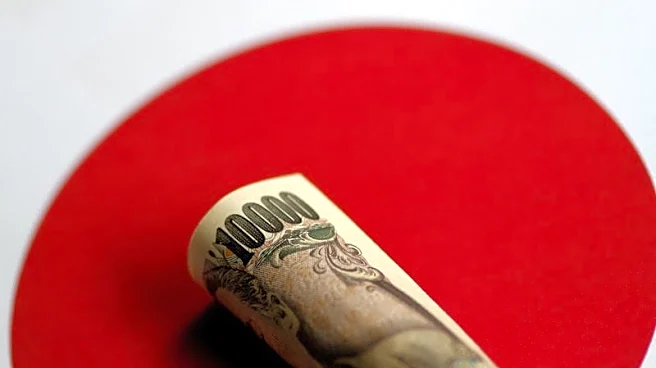
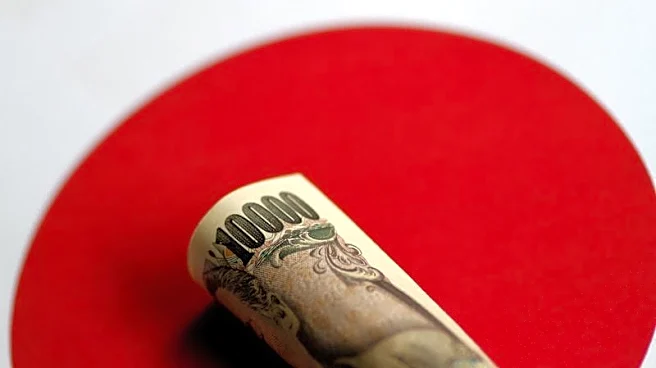
Japan and the United States have confirmed a joint intervention to address the yen's significant depreciation against the dollar. This coordinated effort aims to stabilize the yen, which has reached its weakest level since 1986. The intervention is seen
as a strategic move to prevent Japan from selling U.S. Treasurys, which could lead to higher U.S. long-term interest rates. Analysts suggest that such joint interventions are more effective than unilateral actions, potentially providing a more lasting impact on currency stability.
Why It's Important?
The joint intervention is crucial for both Japan and the U.S. as it addresses mutual economic concerns. For Japan, stabilizing the yen is vital to prevent inflationary pressures and protect its economy. For the U.S., maintaining a balanced trade relationship with Japan is important to avoid a widening trade deficit. The intervention also underscores the importance of international cooperation in managing global economic challenges, particularly in the context of volatile currency markets.
What's Next?
Both countries have indicated their readiness to intervene again if necessary, suggesting ongoing monitoring of currency markets. The effectiveness of this intervention will be closely watched by global financial markets, and further actions may be required if the yen continues to weaken. The situation may also prompt discussions on broader economic policies and cooperation between Japan and the U.S. to ensure long-term financial stability.