






What's Happening?
Michigan Governor Gretchen Whitmer is facing criticism from within her own Democratic party regarding a $50 million subsidy approved for a copper mining project in the western Upper Peninsula. The Michigan Strategic Fund approved the funding, which will
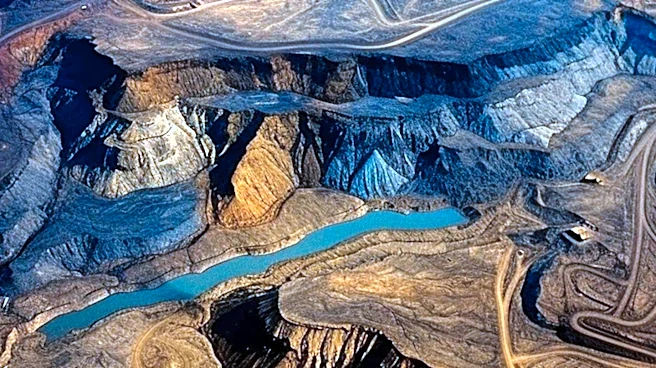
go to Highland Copper Inc. for the Copperwood Mine deal. This approval occurred despite previous legislative efforts to secure funding for the project having stalled for two years. State Senator Jeff Irwin, a Democrat from Ann Arbor, stated on Facebook that the governor's staff is attempting to 'repurpose those dollars' from a four-year-old state appropriation for a different project, suggesting the deal lacked legislative support. The vote by the Strategic Fund board was 7-2 in favor of the $45 million grant, with an additional $5 million approved for local road improvements. Notably, four of the 'yes' votes came from Whitmer's administrative staff, including Quentin Messer Jr., CEO of the Michigan Economic Development Corp., and Susan Corbin, director of the Department of Labor & Economic Opportunity. The project has garnered support from Upper Peninsula lawmakers due to job losses in the area, but environmentalists are concerned about its proximity to Lake Superior and the Porcupine Mountains.
Why It's Important?
This development highlights a growing rift within the Democratic Party in Michigan, particularly concerning economic development strategies and environmental policy. Governor Whitmer's administration is pushing for projects that aim to create jobs and stimulate the economy, especially in regions like the Upper Peninsula that have experienced significant job losses. However, the method of securing this funding, by sidestepping legislative approval and repurposing existing appropriations, raises questions about transparency and democratic process. The controversy also underscores the tension between economic growth and environmental protection. While the mine project is supported by some for its potential to bring jobs, environmental groups and some Democrats are concerned about the ecological impact on sensitive areas like Lake Superior and the Porcupine Mountains. This internal party disagreement could weaken Democratic unity and potentially affect future policy initiatives or electoral outcomes in the state, as it exposes differing priorities within the party on how to balance economic needs with environmental stewardship.
What's Next?
The copper mine developers must now secure at least $150 million in financing, invest a minimum of $425 million, and hire at least 308 workers to receive the full $45 million grant. The controversy surrounding the subsidy is likely to continue, with State Senator Jeff Irwin and other Democrats maintaining their opposition to what they consider a 'bad project for public funds.' The Michigan Economic Development Corp. (MEDC) has not yet confirmed which previous project the repurposed funds were originally allocated for, which may lead to further scrutiny and demands for transparency. The debate over the balance between economic development and environmental protection will likely persist, potentially influencing future legislative discussions and public discourse in Michigan. This situation could also become a point of contention in upcoming elections, as candidates may be pressed to clarify their stances on similar projects and the process of allocating state funds.
Beyond the Headlines
The approval of the copper mine subsidy, despite legislative and environmental concerns, points to a broader trend of executive actions being used to advance economic development projects when direct legislative support is difficult to obtain. This approach can lead to accusations of circumventing democratic processes and can erode public trust, particularly when details about funding allocations are not readily available. The project also touches upon the complex issue of resource extraction in environmentally sensitive areas, a recurring challenge in many states. The long-term implications for Michigan's natural resources, particularly the Great Lakes, will be a critical factor in evaluating the true cost and benefit of such initiatives. Furthermore, the internal dissent within the Democratic Party could signal a shift in political dynamics, where traditional party lines are blurred by differing views on economic and environmental priorities, potentially leading to new political alliances or increased polarization on specific issues.