


What's Happening?
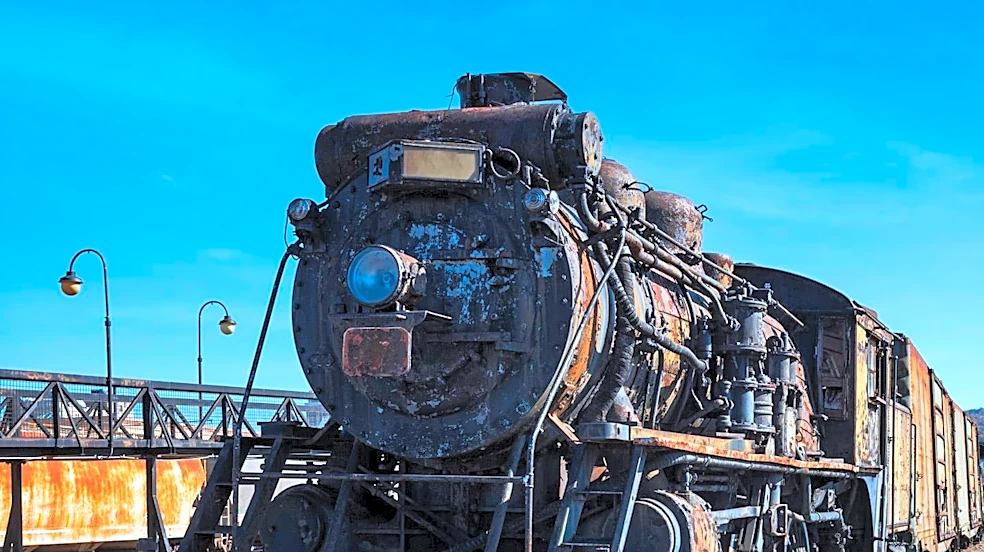
U.S. Senator Jacky Rosen (D-NV) announced that she has secured $3 million in federal funding for the restoration of the Nevada Northern Railway. This funding was allocated through the Department of Transportation’s Consolidated Rail Infrastructure and
Safety Improvements (CRISI) Grant Program, which Senator Rosen supported through her involvement in writing and passing the Bipartisan Infrastructure Law. The project aims to rehabilitate nearly 127 miles of the 120-year-old rail corridor located in White Pine and Elko Counties. A significant outcome of this restoration will be the reconnection of the corridor to the national railroad system, a link that has been severed since 1999. Senator Rosen emphasized the railway's historical and cultural importance to Northern Nevada, noting its past role in serving copper mines and its current status as a tourist destination. As a member of the Senate Commerce, Science, and Transportation Committee, Senator Rosen has consistently advocated for Nevada's transportation infrastructure, including securing $25 million for the Sun Valley Boulevard Corridor and funding for Tribal communities' transportation needs.
Why It's Important?
The $3 million federal funding for the Nevada Northern Railway is crucial for both historical preservation and economic development in rural Nevada. The restoration of the 120-year-old rail corridor not only preserves a significant piece of the state's industrial heritage but also enhances its potential as a cultural and tourist attraction. Reconnecting the railway to the national system after more than two decades could open new avenues for freight transport, potentially benefiting local industries in White Pine and Elko Counties. This investment underscores the federal government's commitment to infrastructure improvements in less populated regions, which can stimulate local economies through job creation in construction and maintenance, as well as increased tourism revenue. For Senator Rosen, securing this funding highlights her effectiveness in advocating for her state's specific needs and leveraging federal programs like the Bipartisan Infrastructure Law to deliver tangible benefits to her constituents, reinforcing her role as a key player in Nevada's transportation policy.
What's Next?
The secured $3 million in federal funding will now be directed towards the rehabilitation efforts for the Nevada Northern Railway. The immediate next steps will likely involve detailed planning, procurement processes, and the commencement of physical restoration work on the 127-mile rail corridor. This project is expected to create local employment opportunities in construction and related services. Once the rehabilitation is complete, the railway will be reconnected to the national railroad system, which could lead to renewed freight traffic and increased operational capacity for the historic line. This reconnection may also prompt further discussions and initiatives regarding the railway's long-term economic role, potentially attracting more visitors and businesses to the region. Senator Rosen has indicated her continued commitment to supporting Nevada's transportation and tourism sectors, suggesting that further efforts to secure resources for similar projects across the state may be anticipated.
Beyond the Headlines
The restoration of the Nevada Northern Railway extends beyond mere infrastructure repair; it represents a broader commitment to preserving industrial heritage and fostering regional economic resilience. In an era where many historic rail lines have been abandoned or repurposed, this project highlights the value placed on maintaining tangible links to the past, which can serve as educational resources and tourist attractions. The reconnection to the national rail system also symbolizes a potential revitalization of rural economies, offering an alternative to road-dependent logistics and potentially reducing carbon footprints for freight transport. This initiative could serve as a model for other states looking to leverage federal infrastructure funding to breathe new life into historic assets, demonstrating how strategic investments can yield both cultural and economic dividends. It also underscores the ongoing debate about balancing modernization with preservation, ensuring that historical sites remain relevant and functional in contemporary society.