




What's Happening?
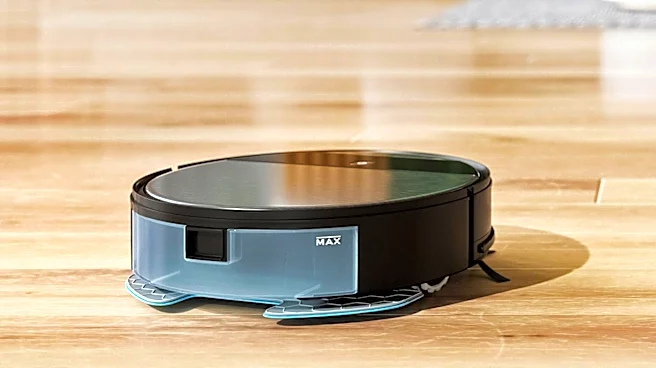
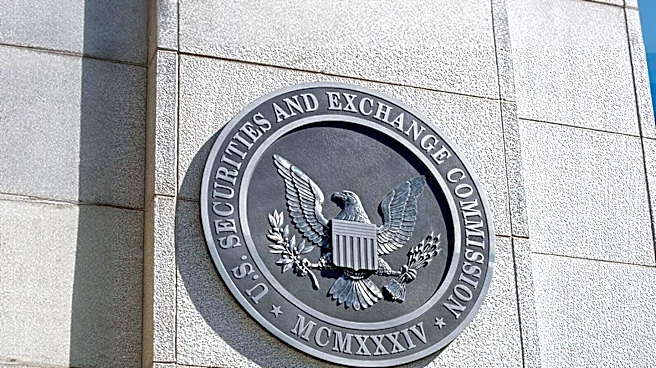
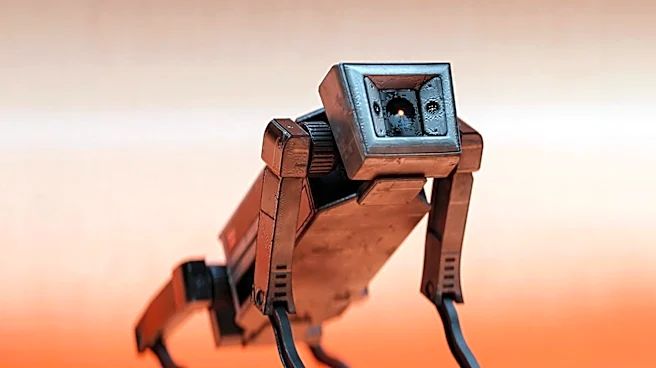
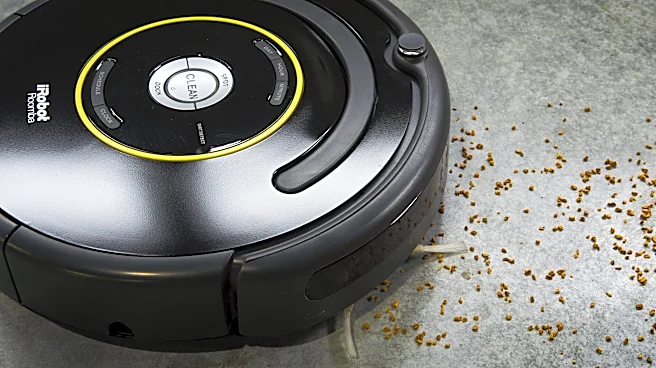
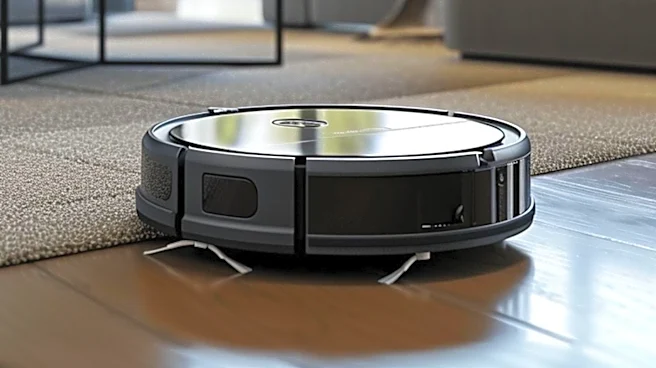
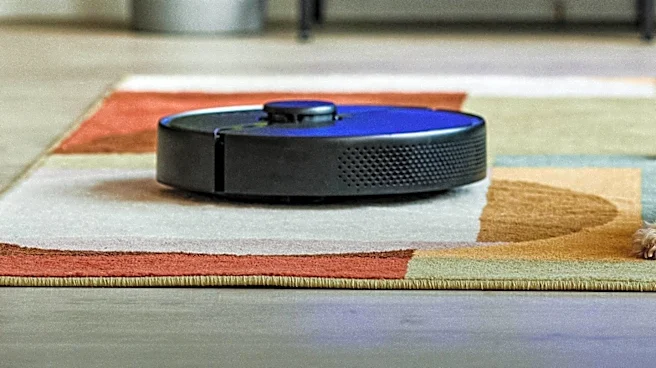
The Federal Communications Commission (FCC) has announced new restrictions on the importation of certain humanoid and mobile robots produced in foreign countries. This decision follows a determination by an executive branch interagency body, convened
by the White House, which concluded that these products pose unacceptable risks to U.S. national security. The move is part of a broader effort to address the growing competition in next-generation robotics and artificial intelligence (AI). The FCC's decision highlights concerns over the potential for foreign-manufactured robots to compromise sensitive data or infrastructure within the United States. This policy change is expected to impact the importation and deployment of advanced robotics technologies, particularly those involving AI capabilities, from countries deemed to pose a security threat.
Why It's Important?
The FCC's restriction on robot imports underscores the increasing intersection of technology and national security. As robotics and AI technologies advance, they become integral to various sectors, including manufacturing, healthcare, and defense. The U.S. government's decision reflects a strategic move to safeguard critical infrastructure and data from potential foreign interference. This action could have significant implications for U.S. industries reliant on cutting-edge robotics, potentially leading to increased domestic production and innovation. However, it may also disrupt supply chains and increase costs for companies that depend on foreign robotics technology. The decision highlights the delicate balance between fostering technological advancement and ensuring national security.
What's Next?
In response to the FCC's restrictions, U.S. companies may need to reassess their supply chains and explore domestic alternatives for robotics technology. This could lead to increased investment in U.S.-based robotics research and development, as well as potential collaborations with allied countries. Additionally, the decision may prompt foreign manufacturers to enhance transparency and security measures to regain access to the U.S. market. Policymakers and industry leaders will likely continue to monitor the impact of these restrictions on the U.S. robotics sector and national security. Further regulatory actions or adjustments may be considered as the situation evolves.