




What's Happening?
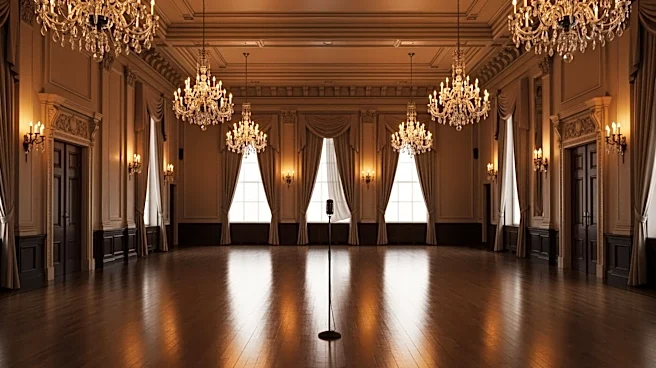
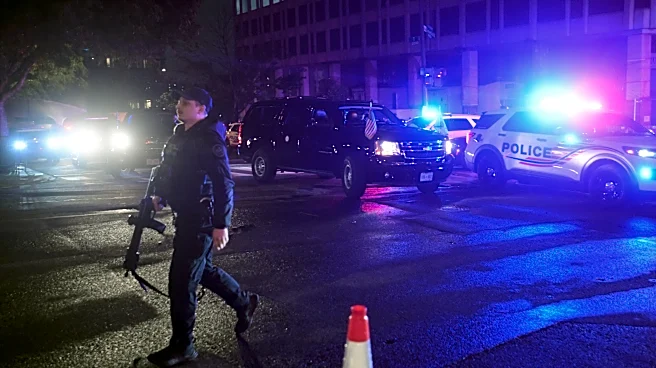
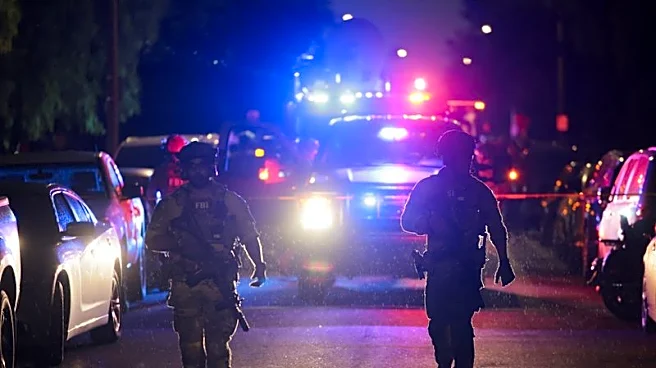
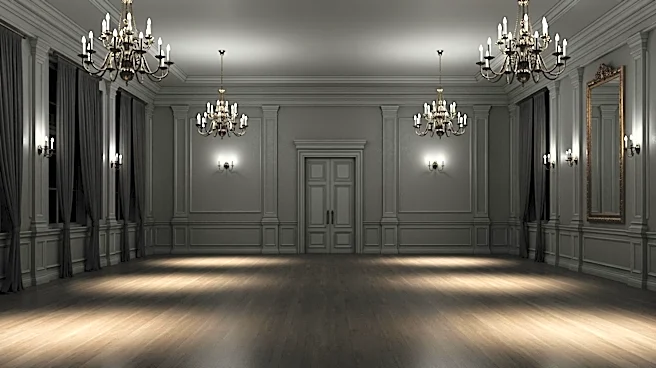
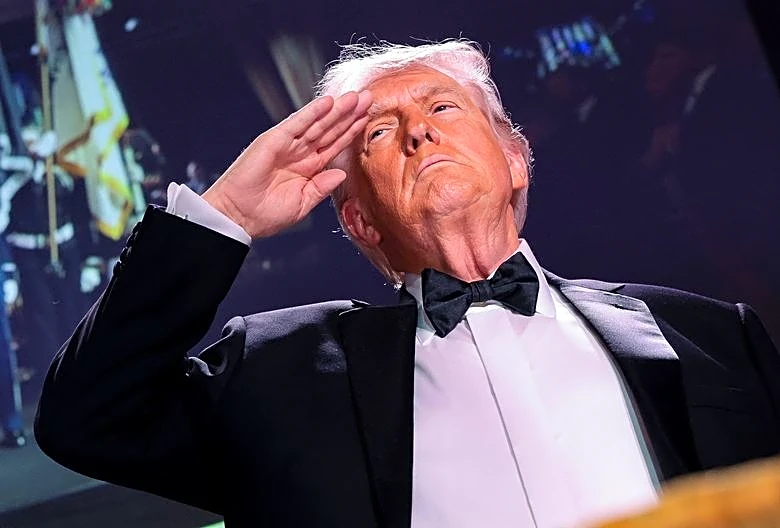
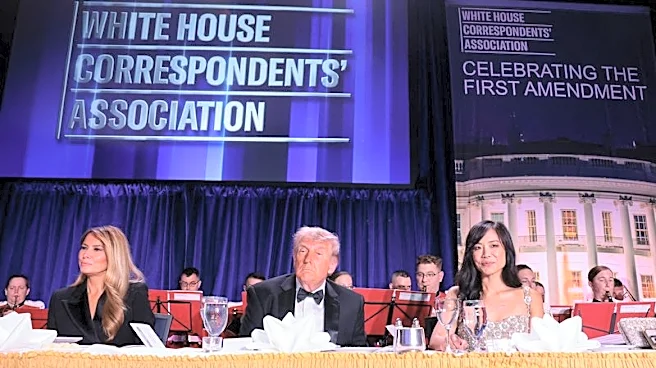
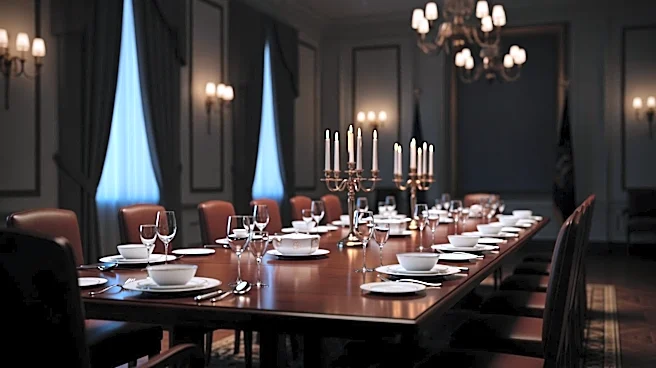
President Donald Trump has highlighted a recent shooting incident at the White House Correspondents’ Dinner as a justification for his long-standing proposal to build a large ballroom at the White House. The proposed 90,000-square-foot ballroom, estimated
to cost $400 million, is intended to host state dinners and other presidential events. Trump has faced legal challenges regarding the construction, with a federal judge halting the project until congressional approval is obtained. Despite these challenges, Trump argues that the ballroom is necessary for security reasons, a claim he reiterated following the shooting incident. The Justice Department has also supported this view, suggesting that the ballroom would enhance the safety of the president and prevent future assassination attempts.
Why It's Important?
The proposal for a new White House ballroom has significant implications for national security and historical preservation. President Trump’s emphasis on security highlights the ongoing concerns about the safety of high-profile events in Washington, D.C. The project has sparked debate among preservationists and political figures, with critics concerned about the impact on the historic integrity of the White House. Additionally, the legal and political hurdles faced by the project underscore the complexities of balancing security needs with legislative and public scrutiny. The outcome of this proposal could set a precedent for future security-related infrastructure projects at the White House.
What's Next?
The next steps involve legal proceedings, as the Justice Department plans to request the dissolution of the injunction against the ballroom’s construction. This move is expected to reignite discussions in Congress and among preservationists. The administration’s push for the project may face further opposition from Democrats and preservation groups, who are concerned about the historical impact and the necessity of such a large-scale construction. The decision will likely involve negotiations and potential compromises to address both security concerns and preservationist objections.