



What's Happening?
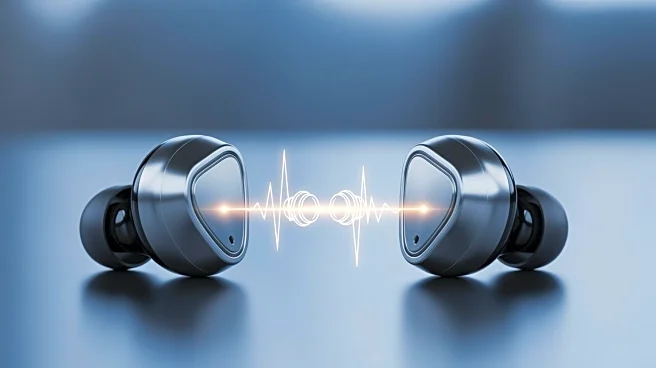
A critical vulnerability known as WhisperPair has been discovered in the Google Fast Pair implementation of Bluetooth audio accessories. This flaw allows attackers to force connections to their devices without user consent, affecting millions of devices from
various brands. The issue arises from a logic error in the pairing code, where devices fail to verify if they are in pairing mode. This vulnerability enables attackers to take control of accessories, such as headphones and speakers, potentially allowing them to play audio or record conversations. The flaw also poses a risk of user tracking through Google's Find Hub network.
Why It's Important?
The WhisperPair vulnerability highlights significant security concerns in the implementation of Bluetooth technology, affecting a wide range of consumer electronics. With millions of devices potentially compromised, this issue underscores the importance of robust security measures in technology products. The ability for attackers to hijack devices and track users raises privacy and security concerns, emphasizing the need for manufacturers to ensure compliance with security standards. This incident may lead to increased scrutiny of Bluetooth technology and push for more stringent security protocols in consumer electronics.
What's Next?
Manufacturers are expected to release firmware updates to address the WhisperPair vulnerability. Users are advised to update their devices to protect against potential attacks. Google has already issued a security update for Pixel devices, but further action is required from accessory manufacturers. This situation may prompt a reevaluation of security practices in the tech industry, particularly concerning Bluetooth technology. Consumers may become more cautious about device security, influencing purchasing decisions and driving demand for more secure products.