
What's Happening?
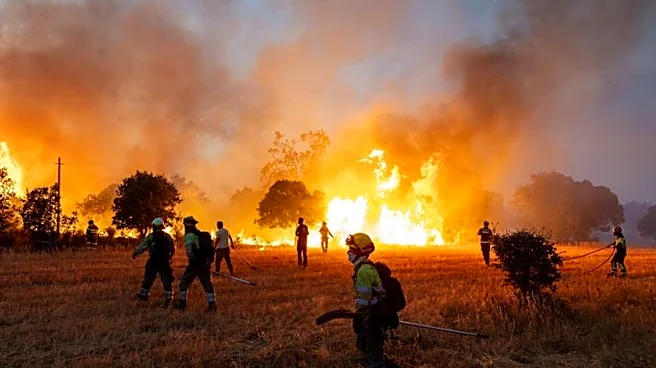
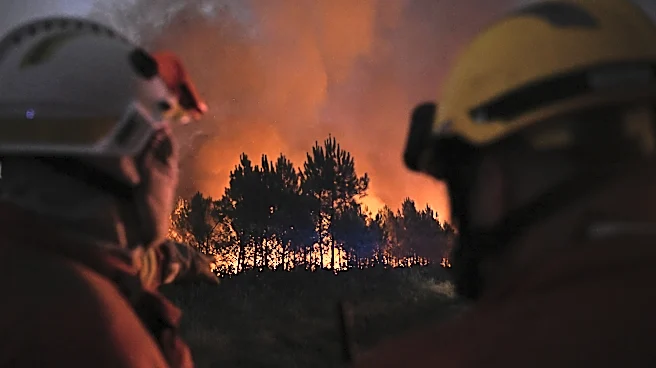
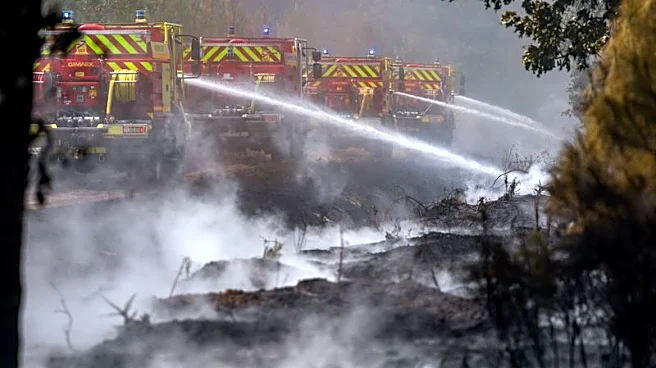
Spain has lifted evacuation orders for thousands of residents in the Avila province and parts of the Madrid area as firefighters make progress in controlling wildfires. Prime Minister Pedro Sanchez expressed
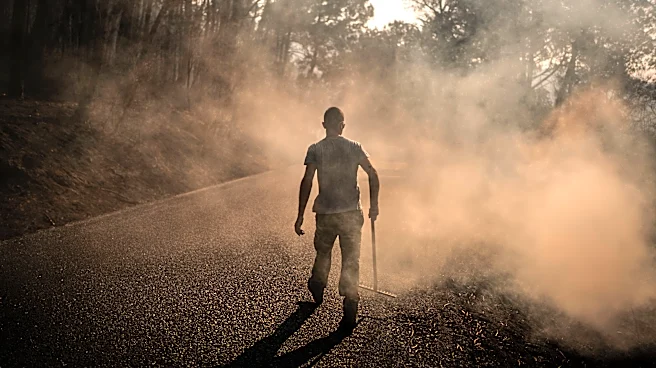
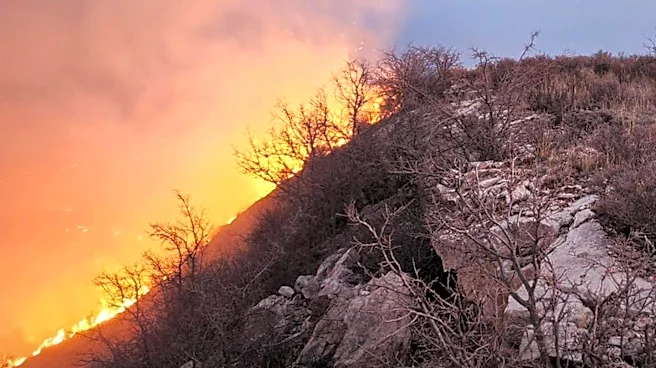
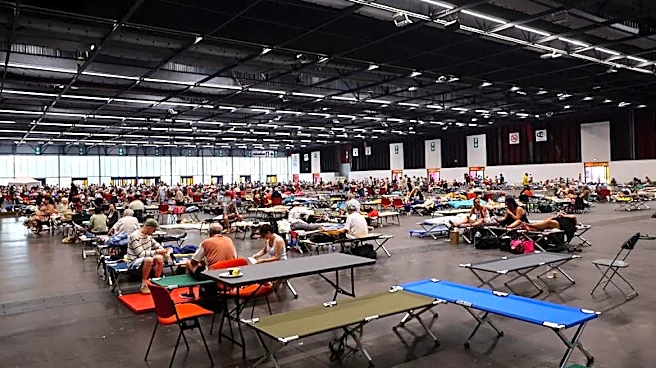
optimism about defeating the fires, noting that the next 12 hours are crucial for consolidating firefighting efforts. Meanwhile, France is experiencing severe heat, with temperatures expected to reach 40 degrees Celsius in the Bordeaux area, exacerbating the wildfire situation. French authorities have relocated around 220,000 people due to fires, particularly in the Gironde region. Scientists warn that climate change is intensifying wildfires across Europe, leading to more frequent and severe incidents.
Why It's Important?
The lifting of evacuation orders in Spain marks a significant step in managing the country's largest wildfire on record, allowing tens of thousands to return home. However, the ongoing heatwave in France poses a continued threat, potentially worsening the wildfire situation. These events highlight the growing impact of climate change, which is leading to hotter, drier summers and more intense wildfires. The situation underscores the need for improved forest management and wildfire prevention strategies across Europe. The economic impact is also significant, as tourism and local businesses in affected areas face disruptions.
What's Next?
Authorities in Spain and France remain vigilant as high temperatures persist, with ongoing efforts to control and prevent further spread of wildfires. The European Union is considering greater investment in forest management and the establishment of a permanent firefighting fleet to better respond to such crises. As climate change continues to accelerate, European nations may need to adapt their strategies to cope with increasingly severe weather events.
Beyond the Headlines
The current situation in Spain and France serves as a stark reminder of the broader implications of climate change. The increasing frequency and intensity of wildfires are not only a threat to human safety and property but also to biodiversity and ecosystems. The need for international cooperation and investment in sustainable practices is more urgent than ever to mitigate the effects of climate change and protect vulnerable regions.