






What's Happening?
Senator Ruben Gallego (D-Ariz.) is set to propose an amendment during a Senate Committee on Homeland Security and Government Affairs meeting. This amendment aims to prevent the establishment of the 'Anti-Weaponization Fund' announced by the Trump administration.
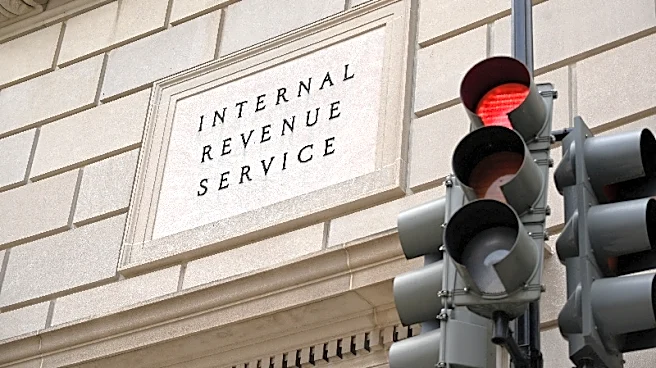
The fund, valued at $1.7 billion, was introduced following a settlement between the Trump administration and President Trump himself, who had previously sued the IRS for $10 billion over a tax information leak. The fund is intended to address claims of individuals who have allegedly suffered from 'weaponization and lawfare' by the government under President Joe Biden. Critics, including Senate Minority Leader Chuck Schumer, have labeled the fund as a 'MAGA slush fund' designed to financially support Trump's political allies, particularly those involved in the January 6 Capitol riot.
Why It's Important?
The proposed amendment by Senator Gallego highlights the ongoing political tensions surrounding the Trump administration's policies and their implications. The 'Anti-Weaponization Fund' is seen by many Democrats as a controversial move that could potentially reward individuals involved in the January 6 insurrection. This development underscores the broader debate over accountability and the use of government resources to support political agendas. The outcome of this amendment could influence future legislative actions and set a precedent for how similar funds are perceived and managed. It also reflects the deep divisions within U.S. politics, particularly regarding the legacy and influence of President Trump.
What's Next?
The amendment is expected to face significant opposition from Republicans, who are likely to vote it down. However, the vote itself will force lawmakers to publicly declare their stance on the fund, potentially impacting their political standing and future elections. The decision could also prompt further legislative efforts to address or counteract the fund's implementation. Additionally, the fund's existence and the controversy surrounding it may lead to increased scrutiny of similar initiatives and their alignment with public interest and ethical governance.