




What's Happening?
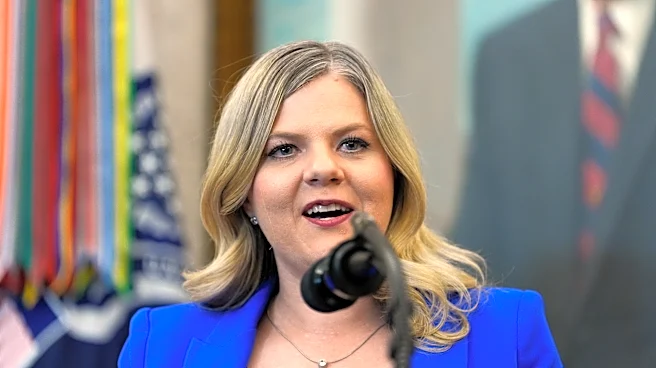
Congressman Brad Finstad (MN-01) recently hosted a roundtable discussion with biofuels leaders, farmers, and advocates in Janesville, Minnesota. The event included a tour of the Guardian Energy facility, which is undergoing a significant construction
project to build one of the world's largest grain bins. As a fourth-generation corn and soybean farmer, Congressman Finstad highlighted the domestic opportunities that E15, a blend of gasoline and ethanol, can create for both producers and consumers. The discussion focused on advancing a new Farm Bill and achieving nationwide, year-round availability of E15.
Why It's Important?
The push for nationwide, year-round E15 has significant implications for the U.S. agricultural sector and energy independence. Increased demand for E15 would boost the market for corn and soybean farmers, providing economic stability and growth in rural communities. For consumers, E15 can offer a more affordable fuel option and potentially reduce reliance on foreign oil. This initiative also aligns with broader environmental goals by promoting renewable energy sources. The discussions led by Congressman Finstad underscore the intersection of agricultural policy, energy strategy, and economic development, impacting farmers, biofuel producers, and the general public.
What's Next?
Congressman Finstad and other advocates will continue to work towards securing a new Farm Bill and promoting policies that support the nationwide, year-round availability of E15. This will likely involve further legislative efforts, engagement with industry stakeholders, and public awareness campaigns. The progress of the Guardian Energy facility's construction project will also be a key indicator of the growing capacity for biofuel production. The outcome of these efforts could lead to significant changes in agricultural subsidies, fuel regulations, and the overall energy landscape in the United States.
Beyond the Headlines
The debate surrounding E15 and biofuels extends beyond immediate economic benefits, touching upon complex environmental and political considerations. While proponents highlight reduced emissions and energy independence, critics sometimes raise concerns about the environmental impact of corn production, such as water usage and land allocation. The push for E15 also involves intricate lobbying efforts and policy negotiations within Congress, reflecting the diverse interests of agricultural, environmental, and energy sectors. This initiative could set precedents for future renewable energy policies and influence the long-term sustainability of U.S. agriculture.