







What's Happening?
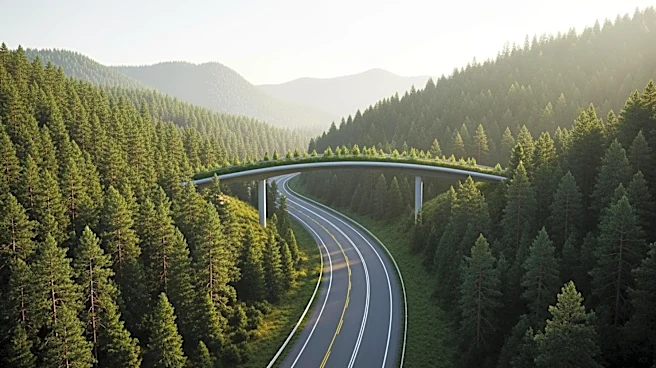
Roaring Fork Safe Passages, a nonprofit organization, is addressing the issue of wildlife-vehicle collisions on Colorado's Western Slope by planning to build five wildlife crossings along Highway 82 from Carbondale to Aspen. The initiative is driven by the high
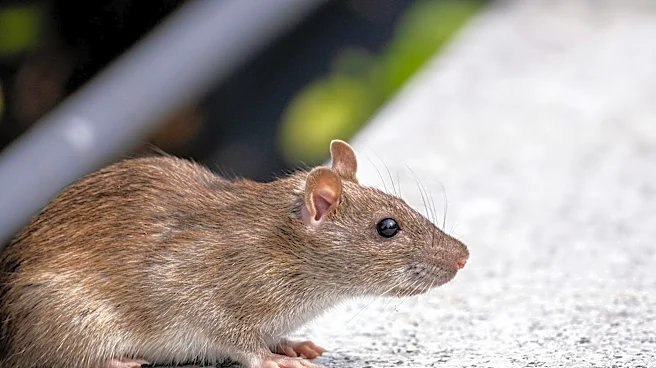
number of animal fatalities, with over 7,000 animals killed in such collisions last year. Cecilly DeAngelo, the Executive Director of Roaring Fork Safe Passages, was inspired to start this project after witnessing a collision between a vehicle and a stag. The organization aims to reduce these incidents by constructing overpasses and underpasses that have been proven to decrease wildlife-vehicle collisions by up to 95%. These structures are designed based on extensive data collection and are tailored to accommodate specific species, such as elk, deer, and smaller rodents.
Why It's Important?
The initiative by Roaring Fork Safe Passages is significant as it addresses a critical safety and environmental issue. Wildlife-vehicle collisions not only result in the loss of animal life but also pose significant risks to human safety and can lead to substantial economic costs due to vehicle damage and medical expenses. By reducing these collisions, the project aims to enhance road safety and preserve local wildlife populations. The success of such crossings in other regions, like Kremmling, Colorado, where collisions were reduced by over 90%, underscores the potential effectiveness of this approach. This project also highlights the importance of integrating wildlife conservation with infrastructure development, promoting a more sustainable coexistence between human activities and natural ecosystems.
What's Next?
Roaring Fork Safe Passages will focus on securing funding and support for the construction of the planned wildlife crossings. The organization may collaborate with local government agencies, environmental groups, and community stakeholders to ensure the project's success. Monitoring and data collection will likely continue to assess the effectiveness of the crossings once they are built. The project could serve as a model for other regions facing similar challenges, potentially leading to broader implementation of wildlife crossings across the United States.