





What's Happening?
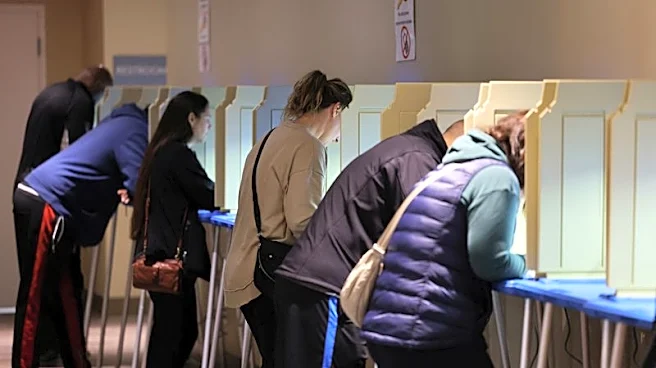
West Virginia has implemented a new law requiring photo IDs at polling places for the first time during the primary election. The law aims to enhance election security by ensuring voters are who they claim to be. While some exceptions exist, such as for senior
citizens with expired IDs, the law has been met with mixed reactions. Proponents argue it will reduce voter fraud, while opponents claim it may suppress voter turnout.
Why It's Important?
The implementation of the photo ID law in West Virginia reflects a broader national debate on voter ID requirements and election security. Supporters believe such measures are necessary to prevent fraud, while critics argue they can disenfranchise certain voter groups, particularly minorities and low-income individuals. The law's impact on voter turnout and election integrity will be closely watched and could influence similar legislation in other states.
What's Next?
As the primary election proceeds, officials will monitor the law's impact on voter participation and any potential issues at polling places. The law may face legal challenges from groups concerned about voter suppression. The outcome of these challenges and the law's effectiveness in preventing fraud will likely shape future discussions on voter ID requirements and election security across the country.