



What's Happening?
Morgan Mingle, Senior Director of Sustainable Tourism at the Park City Chamber/Bureau, and Victoria Schlaepfer, Climate Fund Manager at the Park City Community Foundation, have developed a comprehensive resource guide for organizing zero-waste events.
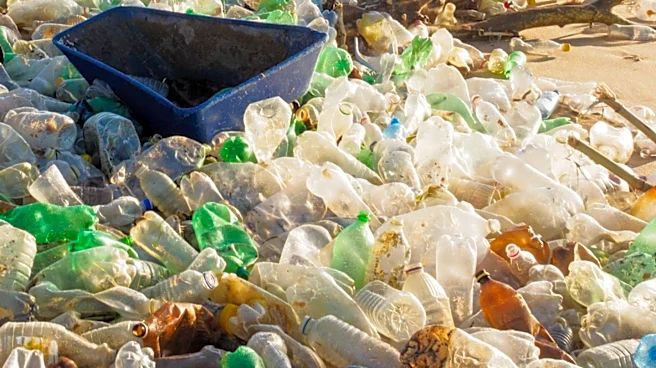
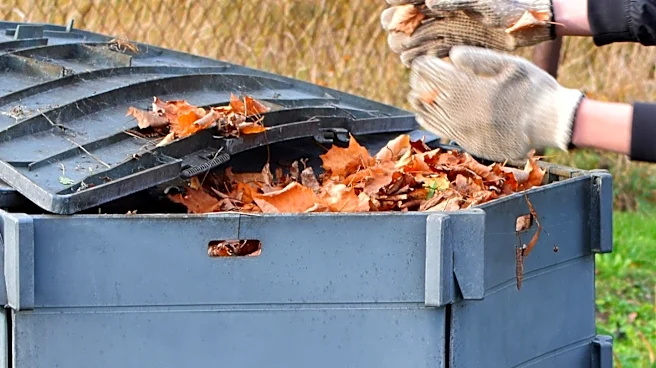
This initiative aims to help event organizers in Park City and the Wasatch Back reduce landfill waste through improved composting and recycling practices. The guide was presented at the Mountain Towns 2030 Climate Summit in Sun Valley, Idaho, and its principles were first tested at the Oakley Rodeo this summer. Mingle and Schlaepfer emphasize that successful waste diversion relies on limiting materials brought in by vendors and having a clear plan for managing those materials to prevent them from ending up in landfills. They highlight the complexities of recycling and composting, noting that contamination from non-recyclable or non-compostable items can lead to entire batches being sent to the landfill. Their efforts are part of a broader goal to make Park City a more sustainable community, with a focus on shifting mindsets towards incremental improvements in waste reduction.
Why It's Important?
This initiative is crucial for Park City as Summit County's Three Mile Landfill is projected to reach capacity by 2053 if current waste disposal rates continue. By diverting organic waste from landfills, the project directly addresses the issue of methane gas emissions, a potent greenhouse gas. Organic waste sent to anaerobic digesters, like the facility in North Salt Lake, can be converted into renewable natural gas and compost material, offering a sustainable alternative to landfill disposal. The guide also aims to simplify complex waste diversion processes for event organizers, making it more accessible for businesses and community groups to adopt sustainable practices. This local effort contributes to broader environmental goals by reducing the carbon footprint associated with waste management and promoting a circular economy. The success of such local initiatives can serve as a model for other communities facing similar waste management challenges, demonstrating practical steps towards environmental stewardship and resource conservation.
What's Next?
Mingle and Schlaepfer plan to continue providing support through the Park City Community Foundation to make it easier for events to implement zero-waste practices. The next phase of their work will focus on elevating the visibility of these initiatives and integrating them more deeply into community norms, aiming for a widespread adoption of a 'this is how we do it here' mindset. They have already collaborated with other local events, including the Summit County PEAK Center opening, Park Silly Market, and the Kimball Arts Festival, to implement waste diversion. The zero-waste event planning guide is available online through the Park City Community Foundation, providing a tangible resource for organizers. Future efforts will likely involve continued engagement with vendors to manage the types of materials they bring to events, addressing a key challenge identified in their initial pilot programs. The long-term goal is to establish a pervasive system of waste diversion that becomes standard practice across the community.
Beyond the Headlines
The Park City zero-waste initiative extends beyond immediate waste reduction, fostering a cultural shift towards greater environmental responsibility. By emphasizing that 'just doing something' is valuable, even if not perfectly executed, the program addresses common barriers to sustainability efforts, such as the perception that only perfect adherence is worthwhile. This approach encourages broader participation and incremental progress, which can lead to significant collective impact over time. The focus on vendor engagement highlights the systemic nature of waste generation, pushing for upstream solutions rather than solely downstream management. Furthermore, the conversion of organic waste into renewable natural gas and compost exemplifies a circular economy model, transforming waste into valuable resources. This initiative also underscores the importance of local leadership and community collaboration in tackling global environmental challenges, demonstrating how targeted local actions can contribute to larger climate goals and resource sustainability.