






What's Happening?
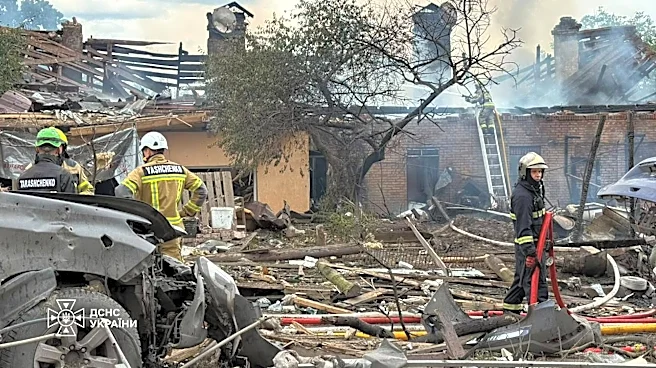
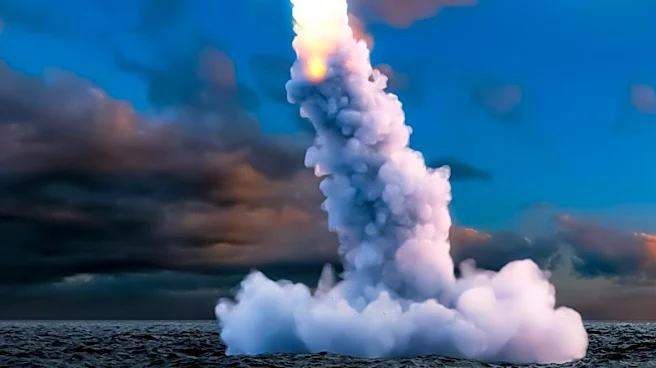
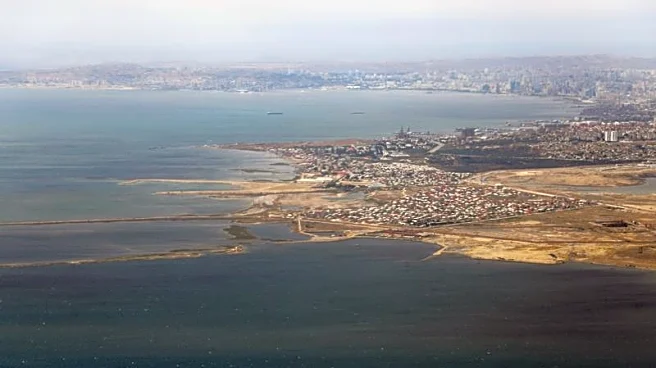
Russia's missile strikes on civilian cargo ships have severely disrupted Ukraine's Black Sea grain corridor, a critical route for the country's agricultural exports. This disruption has led to a near-standstill in grain exports at the peak of the harvest
season. Ukraine's state railway has responded by restricting grain shipments to Odesa's ports, affecting major exporters like Louis Dreyfus Commodities Ukraine. The UN Security Council is set to meet at Kyiv's request to address the situation. The strikes have not only halted ship traffic but have also led to increased grain prices and reduced purchases from farmers. Prolonged disruptions could force Ukraine to store an additional 10 to 12 million metric tons of grain, as overland and river routes cannot compensate for the loss of deepwater port access.
Why It's Important?
The disruption of Ukraine's grain exports poses a significant threat to global food security, particularly affecting countries heavily reliant on Ukrainian wheat and barley, such as Egypt, Algeria, Indonesia, China, Türkiye, Libya, and Saudi Arabia. These nations have been major importers of Ukrainian grain, and the current situation could lead to shortages and increased food prices worldwide. The inability to export grain through the Black Sea corridor could also have severe economic implications for Ukraine, which relies heavily on agricultural exports. The situation underscores the broader geopolitical tensions and the impact of military actions on global trade and food supply chains.
What's Next?
The UN Security Council's upcoming meeting may lead to international diplomatic efforts to address the disruption and seek a resolution. However, the ongoing military conflict and Russia's strategic targeting of Ukraine's export capabilities suggest that the situation may not improve in the short term. Stakeholders, including international organizations and affected countries, may need to explore alternative routes and strategies to mitigate the impact on global food supplies. The potential for further escalation in military actions could exacerbate the situation, requiring coordinated international responses.