






What's Happening?
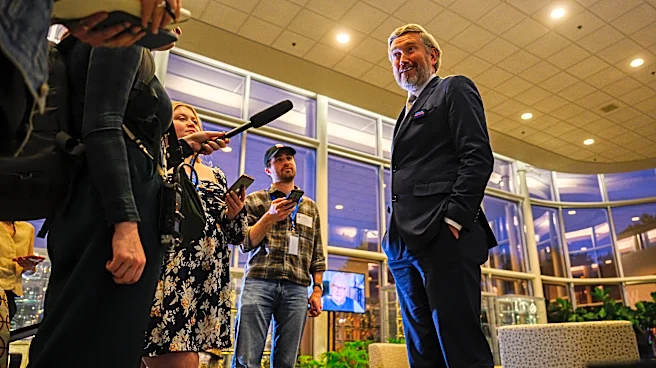
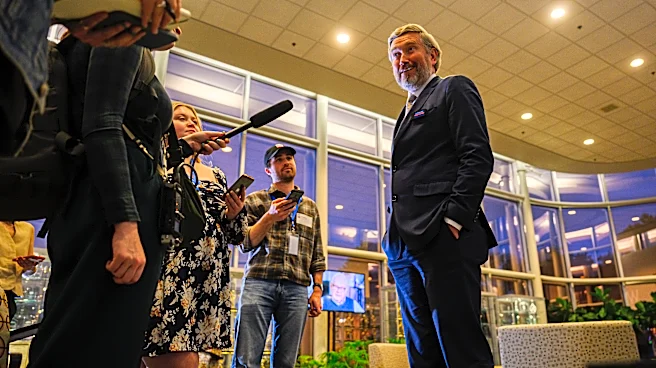
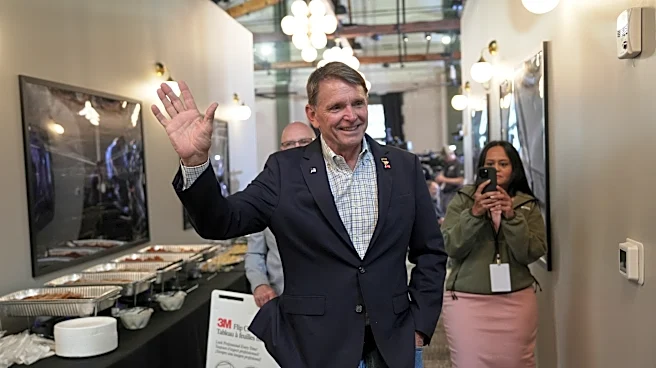
Max Engling, a staffer for U.S. Senator Jim Banks, has entered the Republican race for Indiana Secretary of State, potentially complicating the reelection campaign of incumbent Diego Morales. Engling, who serves as the central Indiana regional director
and a senior adviser in Banks' Senate office, filed his candidacy with the Indiana Republican Party. This development adds a new dimension to the race, which will be decided at the state party convention on June 20. Engling joins other candidates, including Knox County Clerk David Shelton and conservative activist Jamie Reitenour, in challenging Morales. The entry of Engling, who previously worked for then-U.S. House Speaker Kevin McCarthy and ran unsuccessfully in Indiana's 5th Congressional District, has sparked criticism from Shelton, who questions Engling's qualifications. Morales, who has been endorsed by Banks, has not commented on Engling's candidacy.
Why It's Important?
The entry of Max Engling into the Indiana Secretary of State race highlights the ongoing political maneuvering within the Republican Party. Engling's candidacy could signal a shift in support away from incumbent Diego Morales, despite Morales' endorsement from Senator Banks. This development could impact the party's strategy and influence in Indiana, particularly as Banks has been actively involved in shaping the state's political landscape. The outcome of this race could affect the Republican Party's control over the Secretary of State office, which plays a crucial role in overseeing elections. The presence of multiple candidates, including those from other parties, suggests a competitive race that could influence voter turnout and party dynamics in the upcoming election.
What's Next?
As the Indiana Republican Party convention approaches, candidates will continue to campaign and seek endorsements to strengthen their positions. The filing deadline for GOP convention candidates is imminent, which may lead to further announcements or strategic shifts. The outcome of the convention will determine the Republican nominee, setting the stage for the general election in November. The race could see increased attention from political analysts and voters, given its potential implications for election security and party control. Additionally, the presence of candidates from other parties, such as the Libertarian and Lincoln Party, could further diversify the electoral landscape and influence the strategies of major party candidates.