

What's Happening?
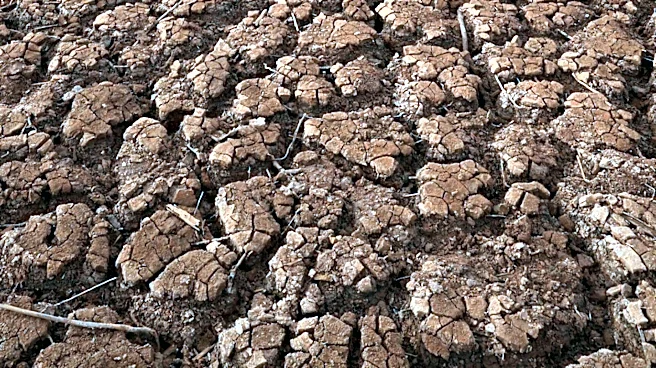
The Netherlands has officially declared a water shortage due to persistent drought conditions and rising temperatures. The Ministry of Infrastructure and Water Management has raised the national drought response to Level 2, indicating a significant reduction
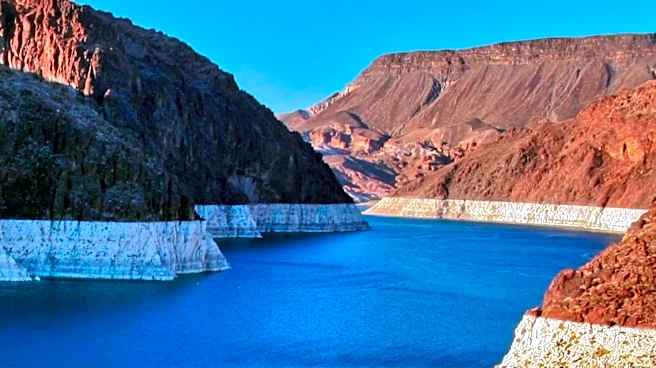
in water entering the country through rain and rivers. This situation is exacerbated by increased demand for water. Measures to address the shortage may include reducing groundwater pumping and operating river locks less frequently to limit saltwater intrusion. Although drinking water is not currently affected, the ministry advises conscious usage. The Netherlands, typically known for managing excess water, is now facing the opposite extreme, with conditions expected only in late summer occurring much earlier. The Rhine and Meuse rivers are experiencing unusually warm temperatures, leading to the spread of blue-green algae and fish deaths. The country has not faced a Level 3 water crisis since 2003.
Why It's Important?
The water shortage in the Netherlands highlights the broader impact of climate change on Europe, the fastest-warming continent. The situation underscores the vulnerability of regions traditionally adept at managing water to the effects of climate change, including heat waves and droughts. The shortage affects not only the Netherlands but also other European countries reliant on major rivers like the Rhine and Danube for trade and agriculture. Low water levels have already disrupted shipping and increased costs, affecting economic activities. The crisis serves as a wake-up call for policymakers and stakeholders to address climate change proactively, as conditions predicted for 2050 are occurring much sooner. The ongoing drought could lead to more severe shortages, necessitating difficult choices if conditions persist.
What's Next?
If high temperatures and low precipitation continue, the Netherlands may face a more serious water shortage, potentially escalating to a Level 3 crisis. Persistent rain is required to alleviate the current deficit, but forecasts show little hope for relief. The government and water companies will need to assess further measures to manage the shortage, possibly affecting agricultural and industrial activities. The situation may prompt increased investment in water management technologies and strategies to adapt to climate extremes. Other European countries facing similar challenges may also need to implement measures to mitigate the impact on trade and agriculture.
Beyond the Headlines
The water shortage in the Netherlands reflects a broader trend of climate-induced challenges that could reshape environmental policies and infrastructure planning. The crisis may lead to increased scrutiny of fossil fuel usage and accelerate the transition to renewable energy sources. It also raises ethical considerations regarding resource allocation and the responsibility of developed nations to address climate change impacts. Long-term shifts in agricultural practices and water management strategies may be necessary to adapt to changing climate patterns, influencing global food security and economic stability.