



What's Happening?
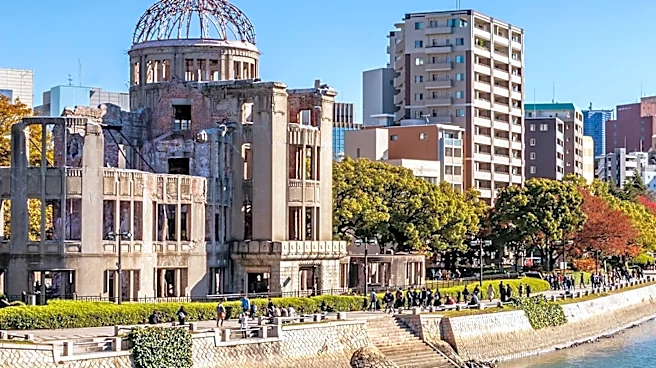
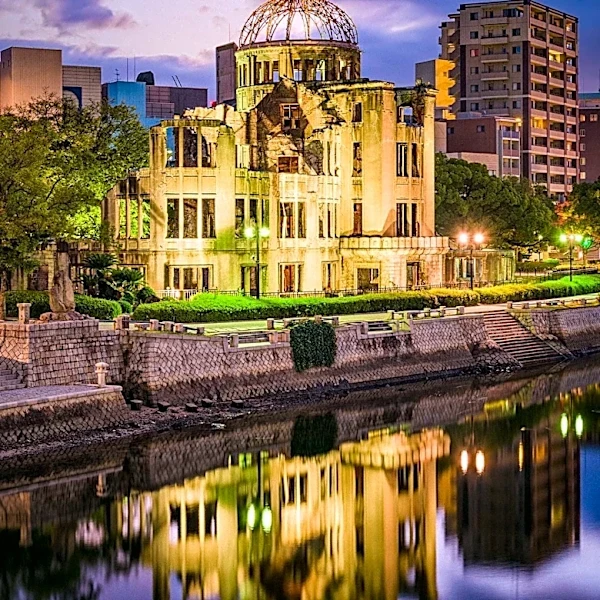
Historian James M. Scott's book, 'Empire of Ashes: Truman, Hirohito, and the Descent into Total War,' delves into the events surrounding the atomic bombings of Hiroshima and Nagasaki in 1945. The book, as referenced by Marvin Olasky, explores the difficult
decision-making process during World War II, particularly the rationale behind dropping the second atomic bomb on Nagasaki. Scott's work suggests that even after the Hiroshima bombing, Japan's militarists were unwilling to surrender, necessitating Emperor Hirohito's intervention. The narrative highlights the devastating impact of the bombings, marking the last instance of nuclear destruction for 81 years. Olasky reflects on the 'gut-wrenching chapters' detailing the aftermath in both cities, emphasizing the profound and lasting consequences of these historical events.
Why It's Important?
The historical analysis of the atomic bombings remains crucial for understanding the complexities of warfare and the long-term implications of nuclear weapons. Scott's research, as summarized, underscores the extreme circumstances that led to the use of these weapons, including the potential for massive casualties if a land invasion of Japan had been necessary. The discussion about the 'tragically right' decision regarding Nagasaki highlights the moral and strategic dilemmas faced by leaders during wartime. This historical context is vital for ongoing debates about nuclear deterrence, disarmament, and international relations, reminding us of the destructive power of such weapons and the imperative to prevent their future use. The 81-year period without further nuclear destruction serves as a stark reminder of the global effort to avoid a repeat of these catastrophic events.
What's Next?
While the immediate aftermath of the bombings led to Japan's surrender and the end of World War II, the long-term 'next steps' involve continued global efforts towards nuclear non-proliferation and disarmament. The historical lessons from Hiroshima and Nagasaki continue to inform international policy and discussions on arms control. Future generations will likely continue to analyze these events through new historical research and perspectives, influencing how nations approach military strategy and the development of advanced weaponry. The ongoing dialogue about the ethical considerations of warfare and the prevention of mass destruction remains a critical aspect of international relations, with the events of 1945 serving as a perpetual cautionary tale.
Beyond the Headlines
The bombings of Hiroshima and Nagasaki transcend mere historical events, carrying profound ethical and cultural implications. The 'gut-wrenching' descriptions of the aftermath force a confrontation with the human cost of war and the unique horror of nuclear devastation. The enduring question of whether the second bomb was necessary, despite the militarists' initial refusal to surrender, delves into the moral calculus of wartime decisions. Culturally, these events have shaped global consciousness regarding nuclear power, influencing art, literature, and public discourse on peace and conflict. The 81-year absence of further nuclear destruction, while a testament to international efforts, also highlights the constant vigilance required to maintain this fragile peace, underscoring the deep-seated fear and respect for the power unleashed in 1945.