







What's Happening?
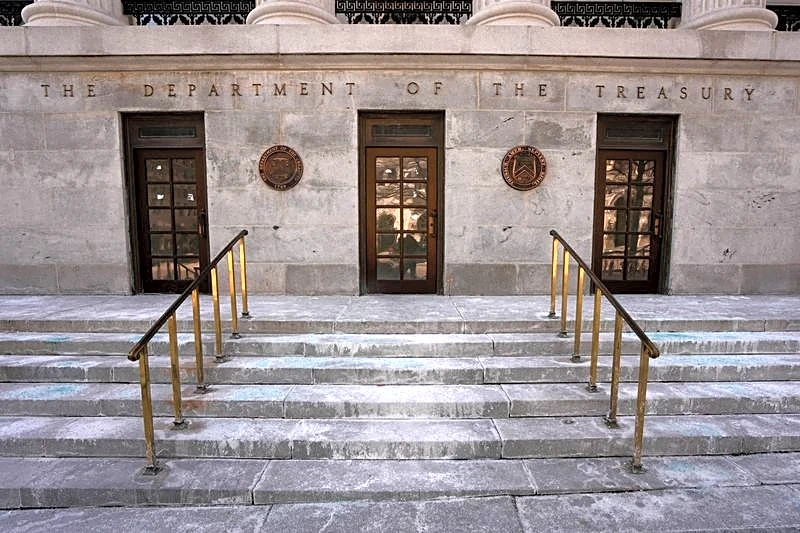
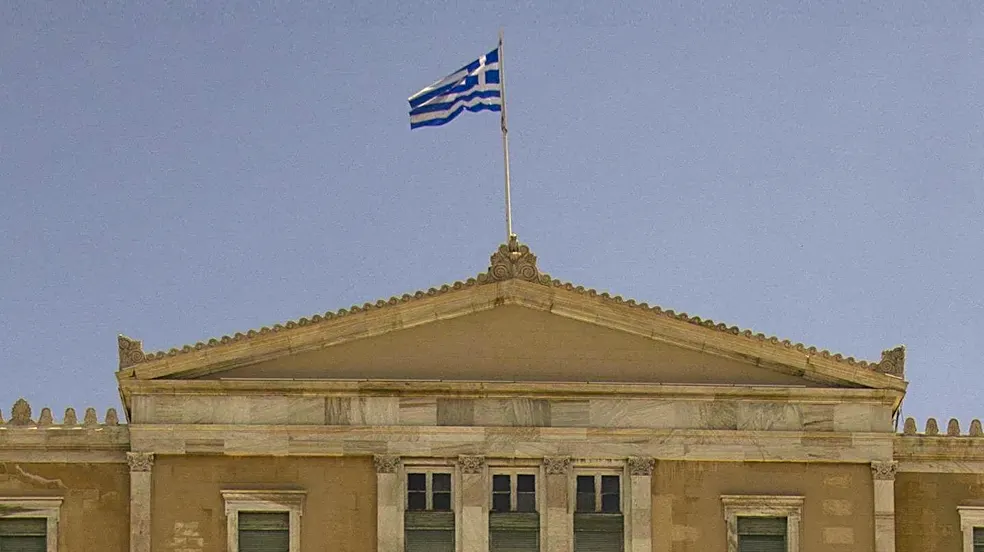
The Greek finance ministry has confirmed its adherence to existing sanctions linked to Iran and its commitment to combating money laundering and terrorist financing. This statement follows recent actions by the U.S. Treasury Department, which sanctioned
Karnakis & Karnakis, a law firm operating in Greece and Panama. The U.S. Treasury alleged that this firm provided legal assistance to Iranian shipping networks for years. Additionally, the U.S. Financial Crimes Enforcement Network issued an administrative subpoena to further an investigation into an unnamed Greek bank. The Greek ministry stated that all available information is being evaluated, and appropriate measures are being taken in accordance with established procedures and applicable national, EU, and international law. This development underscores ongoing international efforts to enforce sanctions against Iran and disrupt its financial and shipping networks.
Why It's Important?
This development is important as it highlights the continued international pressure on Iran through financial sanctions and the collaborative efforts of the U.S. and its allies. The U.S. Treasury's actions against entities like Karnakis & Karnakis demonstrate a strategy to target facilitators of Iranian sanctions evasion, aiming to cut off revenue streams that could fund military, weapons, and nuclear programs. Greece's public commitment to implementing these sanctions reinforces the global front against Iran's illicit activities. For U.S. economic stakeholders, particularly those in the financial and shipping sectors, this signifies a heightened vigilance against potential involvement in Iranian networks, emphasizing the need for robust compliance measures to avoid penalties. The broader implication is a tightening of the economic noose around Iran, which could impact global energy markets and international trade dynamics, depending on the effectiveness and scope of these enforcement actions.
What's Next?
Following the Greek finance ministry's statement, further evaluations and measures are expected to be implemented in accordance with national, EU, and international law. The U.S. Treasury's ongoing investigation into a Greek bank suggests that more sanctions or enforcement actions could be forthcoming, potentially impacting other financial institutions or entities found to be aiding Iranian networks. Major stakeholders, including international banks and shipping companies, will likely increase their due diligence to ensure compliance with sanctions and avoid any association with sanctioned Iranian entities. The U.S. will likely continue to coordinate with European counterparts and other nations to identify and sever remaining economic lifelines for the Iranian regime. This sustained pressure aims to compel Iran to alter its policies regarding its military, nuclear, and regional activities.
Beyond the Headlines
Beyond the immediate enforcement actions, this situation underscores the complex interplay of international law, national sovereignty, and economic pressure in global diplomacy. The U.S. Treasury's ability to sanction entities in other sovereign nations, like Greece and Panama, highlights the extraterritorial reach of U.S. sanctions and the significant influence of the U.S. financial system. This can create legal and ethical dilemmas for companies and individuals operating internationally, as they must navigate conflicting legal frameworks and potential political repercussions. The focus on law firms and financial institutions also reveals the sophisticated methods used to circumvent sanctions, pushing enforcement agencies to continuously adapt their strategies. This ongoing cat-and-mouse game has long-term implications for the future of international finance and trade, potentially leading to a more fragmented global economic system as nations seek to protect their interests while adhering to or resisting external pressures.