




What's Happening?
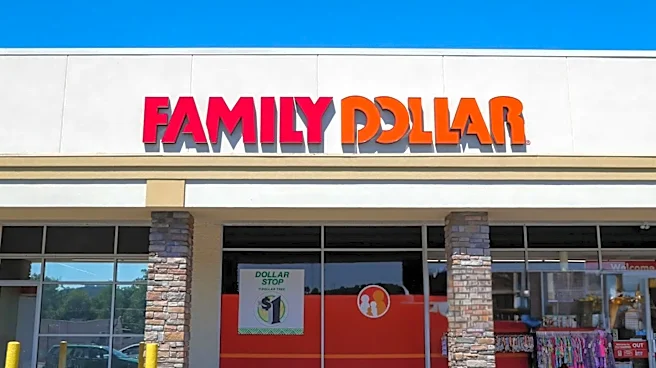
Nebraska Attorney General Mike Hilgers, alongside the Federal Trade Commission and 16 other states, has reached a $63 million settlement with Family Dollar Stores. This agreement addresses allegations that the retail chain consistently charged customers
higher prices at checkout than those advertised on shelves, price tags, and in advertisements. The complaint detailed widespread pricing discrepancies across Family Dollar stores nationwide, which persisted despite numerous failed inspections, consumer complaints, and prior enforcement actions. Under the terms of the proposed settlement, Family Dollar is now prohibited from misrepresenting prices and is mandated to implement an independently assessed pricing accuracy program. This program will involve monitoring prices, training employees, and promptly correcting any errors to ensure compliance and fair pricing for consumers.
Why It's Important?
This settlement is significant for consumer protection, particularly for vulnerable populations who rely on discount retailers like Family Dollar. The alleged pricing discrepancies directly impacted consumers' ability to make informed purchasing decisions and potentially led to overspending. The $63 million settlement includes a $40 million consumer redress fund, a $20 million customer discount program, and over $3 million in payments to the participating states. This financial restitution aims to compensate affected customers and deter similar deceptive practices in the future. The requirement for an independent pricing accuracy program sets a precedent for accountability, ensuring that Family Dollar implements robust internal controls to prevent future pricing errors and rebuild consumer trust. This action underscores the importance of price transparency in retail and the role of state and federal agencies in safeguarding consumer rights.
What's Next?
Following the settlement, Family Dollar is obligated to notify eligible customers about the redress fund through its stores and online channels, facilitating the distribution of compensation. The implementation of the independently assessed pricing accuracy program will be a critical next step, requiring the company to demonstrate its commitment to rectifying past issues and maintaining accurate pricing. This program will likely involve regular audits, enhanced employee training, and clear protocols for price adjustments. Other retail chains may face increased scrutiny regarding their pricing practices, potentially leading to broader industry changes to ensure greater transparency and accuracy. Consumers are encouraged to remain vigilant and report any future pricing discrepancies to relevant authorities, reinforcing the ongoing need for corporate accountability.
Beyond the Headlines
The Family Dollar settlement highlights a systemic issue within the retail sector where pricing accuracy can be compromised, often at the expense of consumers. Beyond the immediate financial implications, this case raises questions about corporate responsibility and the ethical obligations of businesses to their customers. The repeated nature of the alleged violations, despite prior warnings, suggests a deeper problem in corporate governance or operational oversight. This settlement could serve as a catalyst for other states and federal agencies to intensify their oversight of retail pricing, potentially leading to more stringent regulations or enforcement actions across the industry. It also underscores the power of collective action by state attorneys general and federal bodies in addressing widespread consumer harm, reinforcing the importance of regulatory vigilance in a complex marketplace.