








What's Happening?
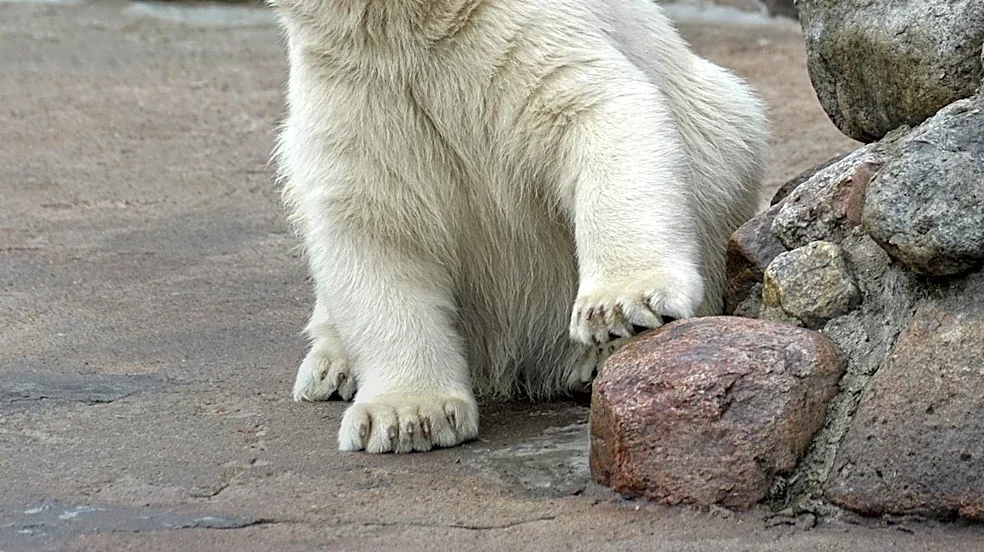
The St. Louis Zoo is preparing to welcome Laerke, a 5-year-old female polar bear, this fall as part of a national initiative to bolster the future of the endangered species. Laerke will arrive from the Point Defiance Zoo & Aquarium in Tacoma, Washington,
and will be paired with Kallu, a nearly 4-year-old male polar bear, with the hope that they will produce cubs. This move is a component of the Polar Bear Population Alliance, a collaborative effort among accredited zoos and aquariums across the United States aimed at maintaining a sustainable and genetically diverse polar bear population. Laerke, who experienced medical complications shortly after her birth in November 2020 at the Detroit Zoo, has been monitored by veterinarians, and recent hormone level results indicate she has begun reproductive cycling. Polar bears are currently classified as threatened under the U.S. Endangered Species Act, primarily due to the reduction of Arctic sea ice caused by climate change, which impacts their ability to find prey.
Why It's Important?
The arrival of Laerke at the St. Louis Zoo is a significant step in the broader national effort to conserve polar bears, a species facing severe threats in the wild. By participating in the Polar Bear Population Alliance, the St. Louis Zoo contributes to maintaining genetic diversity within the captive population, which could be crucial for the species' long-term survival. The pairing of Laerke and Kallu aims to increase the reproductive success of polar bears in human care, providing a potential safeguard against the drastic decline projected for wild populations. This initiative also plays a vital role in public education, raising awareness about the impact of climate change on Arctic ecosystems and inspiring conservation action. Zoos serve as critical research hubs, allowing experts to study polar bear biology and behaviors, which can inform conservation strategies for their wild counterparts. The classification of polar bears as threatened under the U.S. Endangered Species Act underscores the urgency of such conservation programs.
What's Next?
Upon her arrival at the St. Louis Zoo, Laerke will undergo a quarantine period followed by an adjustment phase before making her public debut at McDonnell Polar Bear Point. Visitors are not expected to see Laerke and Kallu together until early next year, allowing them time to acclimate to their new environment and each other. The zoo's animal care team will closely monitor the bears for signs of successful pairing and potential breeding. The Polar Bear Population Alliance will continue its work in coordinating transfers and breeding recommendations among member institutions to ensure the genetic health and sustainability of the captive polar bear population. Ongoing research into polar bear biology and reproductive health will also continue, with findings contributing to both in-situ and ex-situ conservation efforts. The zoo will likely continue its educational programs to inform the public about polar bear conservation and the broader implications of climate change.
Beyond the Headlines
The St. Louis Zoo's involvement in polar bear conservation extends beyond simply housing and breeding animals; it highlights the critical role of zoos in addressing global environmental crises. The plight of polar bears serves as a stark indicator of the accelerating impacts of climate change, particularly the loss of Arctic sea ice. This initiative underscores the ethical responsibility of institutions to protect endangered species, especially when their natural habitats are under severe threat. The collaboration among zoos through the Polar Bear Population Alliance exemplifies a collective scientific and conservation effort that transcends individual institutional boundaries. Furthermore, the public's engagement with these animals in a zoo setting can foster a deeper connection to wildlife and inspire greater advocacy for environmental protection, potentially influencing policy decisions related to climate change and habitat preservation. The long-term success of such programs depends not only on breeding but also on sustained global efforts to mitigate climate change and protect natural habitats.