
What's Happening?
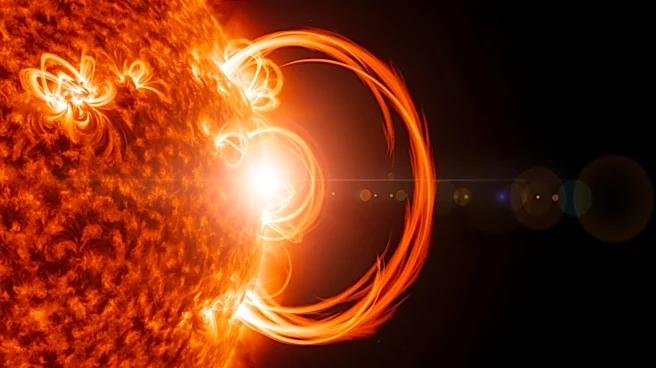
A strong G3 geomagnetic storm warning has been issued by NOAA's Space Weather Prediction Center for June 4 and 5, as multiple coronal mass ejections (CMEs) head toward Earth. These CMEs, potentially merging
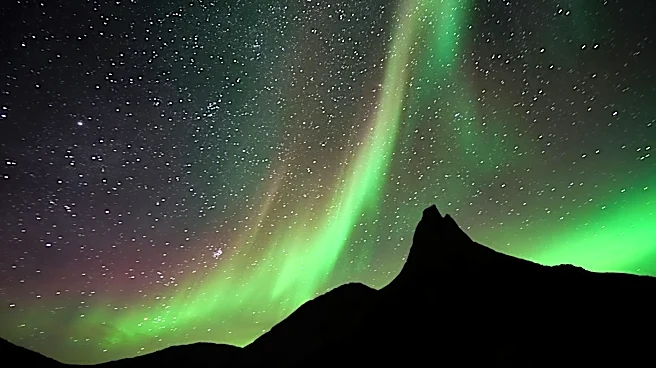
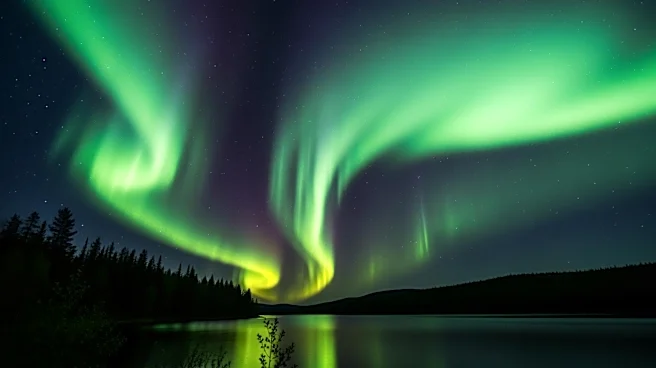
into a 'cannibal CME,' could intensify the storm's impact, making the northern lights visible as far south as Illinois and Oregon. While Florida is unlikely to see the aurora this week, past events have shown that strong storms can make the lights visible in the state. The aurora borealis, caused by ionized gas interacting with Earth's atmosphere, can disrupt satellite communications and power grids.
Why It's Important?
The geomagnetic storms could have widespread effects on technology and infrastructure. Power systems may need adjustments, and satellite operations could face challenges such as surface charging and increased drag. Navigation and communication systems might experience disruptions. The potential visibility of the northern lights in mid-latitude states presents a unique viewing opportunity, potentially boosting local tourism. However, the storms also highlight vulnerabilities in technological systems, emphasizing the need for preparedness and real-time monitoring.
What's Next?
NOAA and other agencies will continue to track the geomagnetic storms and provide updates. Stakeholders in affected industries should prepare for potential disruptions and monitor real-time space weather forecasts. Skywatchers are encouraged to check aurora forecasts and webcams for viewing opportunities. The exact intensity and timing of the auroral displays remain uncertain, and conditions can change rapidly. Florida residents, while unlikely to see the aurora this week, should remain aware of the potential for future events.