





What's Happening?
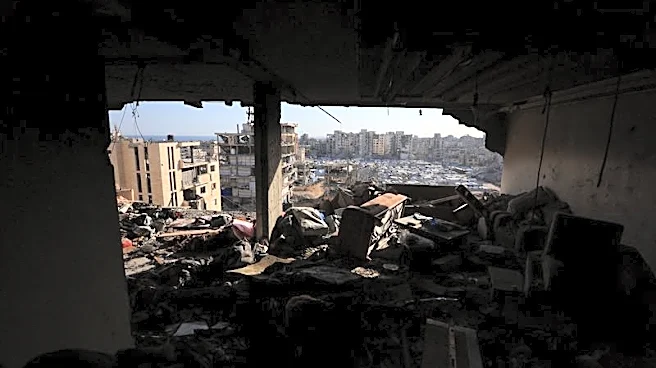
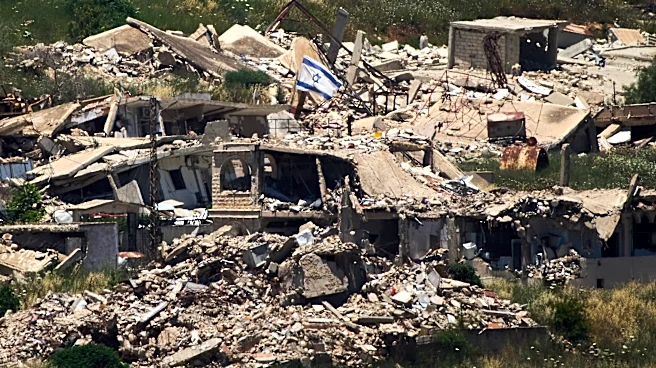
President Trump's approach to Iran is significantly impacting Israel's military strategy in Lebanon. Following the 12 Day War in June 2025, Israel had considerable freedom to target Hezbollah in Lebanon, supported by U.S. military power. However, the current
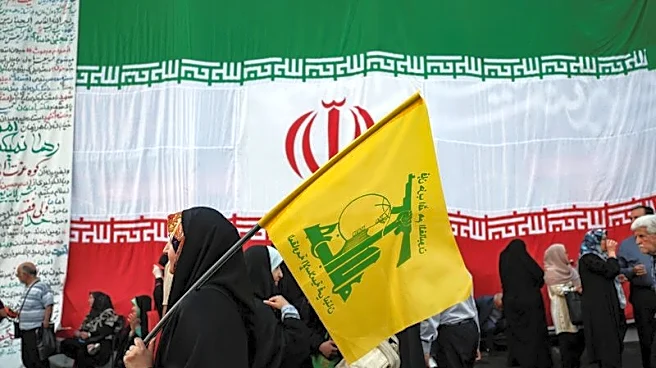
situation has changed, with Israel's actions now constrained by Trump's diplomatic efforts with Iran. The U.S. President has linked Lebanon to broader negotiations with Iran, effectively limiting Israel's military operations against Hezbollah. This shift has allowed Iran to gain leverage, as it demanded Lebanon's inclusion in ceasefire talks, which Trump accepted. Consequently, Israel's ability to act independently in Lebanon has been curtailed, with Trump reportedly instructing Israeli Prime Minister Benjamin Netanyahu to refrain from certain military actions.
Why It's Important?
The strategic decisions by President Trump have significant implications for regional stability and U.S.-Israel relations. By tying Lebanon to Iran negotiations, Trump has inadvertently strengthened Hezbollah's position, as the group now benefits from the diplomatic shield provided by Iran's involvement in talks. This development could embolden Hezbollah and Iran, potentially destabilizing the region further. For Israel, the inability to act freely against Hezbollah poses a security risk, as the group remains a significant threat. The situation also highlights the complexities of U.S. foreign policy in the Middle East, where diplomatic efforts can sometimes conflict with the security needs of allies like Israel.
What's Next?
The future of U.S.-Israel relations and regional stability will depend on the outcomes of ongoing negotiations with Iran. If a deal is reached that includes Lebanon, it could lead to a temporary reduction in hostilities. However, the long-term implications for Israel's security and regional power dynamics remain uncertain. Israel may need to reassess its military and diplomatic strategies to adapt to the new constraints imposed by U.S. policy. Additionally, the international community will be watching closely to see how these developments affect broader Middle Eastern geopolitics.
Beyond the Headlines
The linkage of Lebanon to Iran negotiations raises questions about the ethical and strategic considerations of U.S. foreign policy. By prioritizing a deal with Iran, the U.S. may be compromising the security of its allies, potentially leading to unintended consequences. This situation underscores the delicate balance between diplomacy and military strategy in international relations, where decisions made by global powers can have far-reaching effects on regional conflicts and alliances.