



What's Happening?
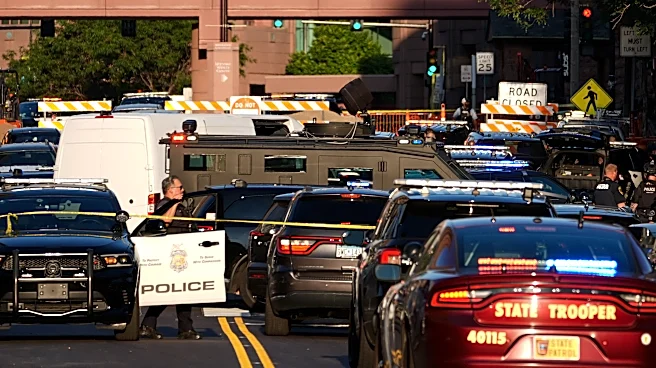
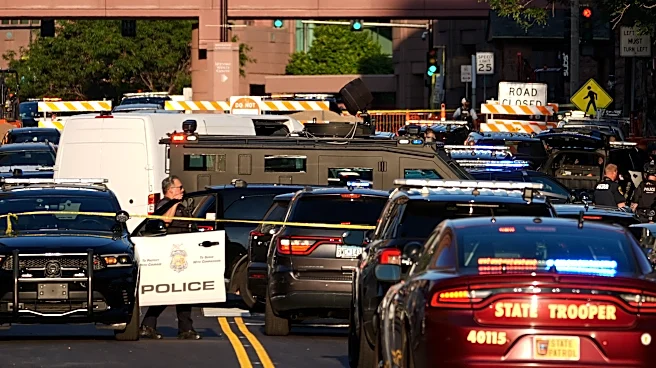
A head-on collision in northern Minnesota resulted in the deaths of three individuals on Friday. The incident occurred around 11:11 a.m. at the intersection of Highway 53 and County Road 521 in northwestern St. Louis County. The Minnesota State Patrol
reported that a 2019 Honda Accord, traveling northbound on Highway 53, collided with a 2013 Dodge Grand Caravan, which was traveling southbound. The driver of the Honda, 24-year-old Abigail Holweger of Cottage Grove, was pronounced dead at the scene. Additionally, the driver of the Dodge, 67-year-old Sheila Friesner, and her passenger, 68-year-old Timothy Friesner, both from Roosevelt, Minnesota, also died as a result of the crash. Road conditions at the time of the accident were reported as dry.
Why It's Important?
This tragic incident underscores the critical importance of road safety and driver vigilance, particularly on highways where head-on collisions can have devastating consequences. The loss of three lives in a single event highlights the severe impact of traffic accidents on families and communities. For residents of northern Minnesota, particularly in St. Louis County and the Roosevelt area, this event serves as a somber reminder of the risks associated with road travel. It may prompt local authorities and community groups to re-evaluate road safety measures, driver education programs, or infrastructure improvements to prevent similar occurrences. The incident also brings attention to the ongoing efforts by law enforcement, such as the Minnesota State Patrol, in responding to and investigating serious traffic accidents to understand their causes and contribute to future prevention strategies.
What's Next?
The Minnesota State Patrol will continue its investigation into the precise circumstances that led to the head-on collision. This investigation typically involves analyzing vehicle data, examining the crash scene, and potentially interviewing witnesses to determine factors such as speed, driver behavior, or any other contributing elements. The findings from this investigation could inform future public safety campaigns or discussions regarding road design and traffic management in the area. Local communities, particularly those affected by the loss of their residents, may organize memorial services or support initiatives for the grieving families. There could also be increased public discourse on highway safety, potentially leading to calls for enhanced enforcement or educational efforts to reduce the incidence of fatal accidents on Minnesota roads.
Beyond the Headlines
Beyond the immediate tragedy, this incident highlights broader societal challenges related to road safety and the human cost of vehicular accidents. The emotional and psychological toll on the families of the victims, as well as the first responders who attend to such scenes, is profound and often long-lasting. From a public policy perspective, such events frequently reignite debates about driver responsibility, the effectiveness of current traffic laws, and the need for continuous investment in road infrastructure and safety technologies. The incident also subtly points to the demographic impact, with victims spanning different age groups, underscoring that road safety is a universal concern affecting all segments of the population. The dry road conditions reported suggest that factors beyond weather, such as driver attention or judgment, might be central to understanding and preventing future tragedies.