



What's Happening?
Oil prices have risen significantly as the conflict between the U.S., Israel, and Iran escalates, disrupting oil supplies. Brent crude increased by $2.35 to $83.75 per barrel, while U.S. West Texas Intermediate crude rose by $2.42 to $77.08. The conflict has
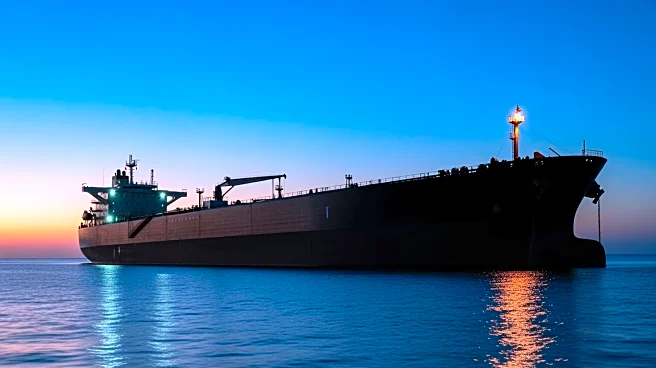
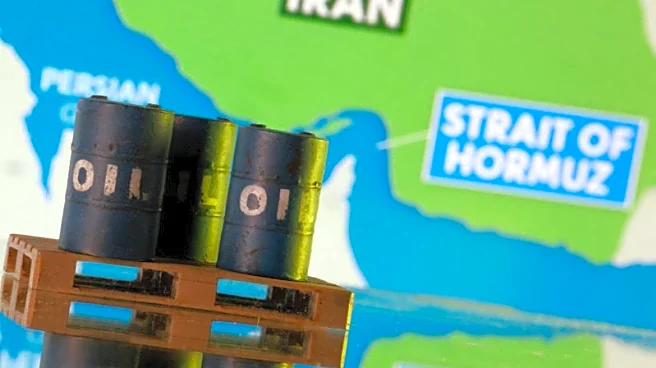
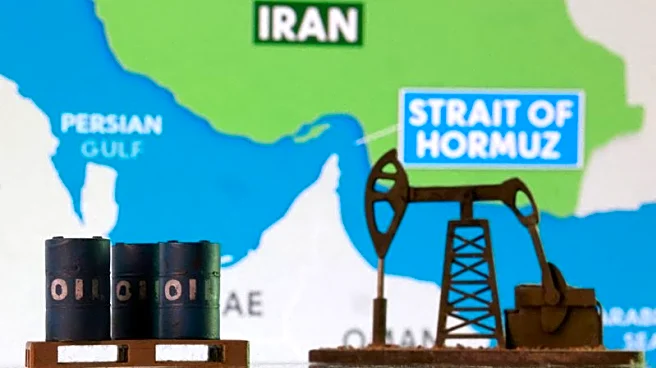
led to major producers cutting production and taking measures to secure supply. The Chinese government has instructed its largest oil refiners to suspend diesel and gasoline exports. The Strait of Hormuz, a critical chokepoint for oil shipments, is facing disruptions, with around 300 oil tankers affected. The situation is exacerbated by military actions, including Iranian missile strikes and U.S. naval engagements.
Why It's Important?
The rising oil prices reflect the market's response to geopolitical tensions and supply disruptions. The conflict threatens global energy security, with potential impacts on oil-dependent economies, including the U.S. The situation could lead to increased energy costs for consumers and businesses, affecting economic growth. The strategic importance of the Strait of Hormuz highlights the vulnerability of global oil supply chains to regional conflicts. This development may prompt countries to reassess their energy policies and strategic reserves.
What's Next?
The ongoing conflict may lead to further volatility in oil markets, with potential for additional price increases if the situation worsens. Countries may seek alternative energy sources and increase strategic reserves to mitigate risks. Diplomatic efforts may intensify to resolve the conflict and stabilize the region. The U.S. and its allies may need to consider broader strategies to ensure energy security and address the geopolitical implications of the conflict.