





What's Happening?
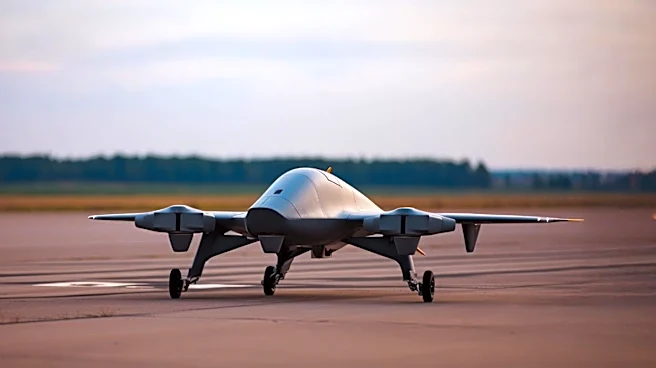
Arizona is set to become the first state to establish a Unmanned Aircraft System (UAS) unit equipped with Gray Eagle 25M (GE 25M) systems within the Army National Guard (ARNG). General Atomics Aeronautical Systems, Inc. (GA-ASI) and the Arizona Army National Guard finalized
plans for the delivery of eight GE 25M UAS units, with the first expected in September 2027. Four additional units are scheduled for fielding by the end of 2029. The ARNG's objective is to field eight Divisional UAS Companies, one for each of its Divisions. The Gray Eagle 25M, a modernized version of the Gray Eagle ER, is designed to meet the U.S. Army's needs for expeditionary operations and advanced sensors. It boasts nearly 40 hours of endurance and significant payload capacity, along with an open architecture for integrating various sensors, networks, and kinetic/non-kinetic effects. This fielding aligns with a renewed emphasis on unmanned systems across the Department of War and will support both combat operations abroad and domestic missions like disaster response.
Why It's Important?
The integration of Gray Eagle 25M UAS into the Arizona Army National Guard marks a significant enhancement of the ARNG's capabilities, making it the first state to possess such advanced unmanned systems. This move aligns with the Department of War's broader strategy to emphasize unmanned systems, recognizing their critical role in modern warfare and domestic security. The GE 25M's extended endurance and versatile payload capacity will provide the ARNG with unprecedented reconnaissance, surveillance, and target acquisition (RSTA) capabilities, reducing risk to human personnel. This development is crucial for both global missions, supporting Combatant Command (COCOM) commanders, and domestic operations, including disaster response and 'Golden Dome' missions. The investment in these systems underscores a commitment to equipping the National Guard with cutting-edge technology, ensuring they are prepared for a wide spectrum of challenges and can effectively contribute to national defense and emergency response efforts.
What's Next?
The first eight Gray Eagle 25M UAS units are expected to be delivered to Arizona in September 2027, with four more units to follow by the end of 2029. This will initiate the establishment of the first ARNG UAS unit equipped with these advanced systems. The Army National Guard plans to field a total of eight Divisional UAS Companies, one for each of its Divisions, indicating a phased rollout across the country. Training programs will be essential to ensure ARNG personnel are proficient in operating and maintaining the GE 25M. The successful integration and operational deployment of these systems in Arizona will serve as a model for other states and divisions within the ARNG. Furthermore, the open architecture of the GE 25M suggests continuous upgrades and integration of new technologies, ensuring its relevance and effectiveness in evolving operational environments.
Beyond the Headlines
The deployment of Gray Eagle 25M UAS to the Army National Guard signifies a deeper shift in military doctrine, moving towards greater reliance on unmanned systems for a variety of missions. This not only enhances operational capabilities but also raises questions about the future role of human soldiers in reconnaissance and combat. The ability of the GE 25M to support both international combat operations and domestic disaster response highlights the dual-use nature of advanced military technology and its potential impact on civil-military relations. Ethically, the use of unmanned systems for RSTA without direct human risk presents a complex discussion about accountability and the psychological impact on operators. Economically, this investment represents a significant boost for defense contractors like GA-ASI and could spur further innovation in the UAS sector. The emphasis on 'unmanned systems across the Department of War' suggests a long-term strategic vision where autonomous platforms play an increasingly central role in U.S. defense and security, potentially reshaping military budgets and technological priorities.