






What's Happening?
BHP, an Australian mining company, in collaboration with Singapore's Global Centre for Maritime Decarbonisation (GCMD), is testing a new biofuel blend made from waste animal fat and used cooking oil. This pilot project aims to expand the availability
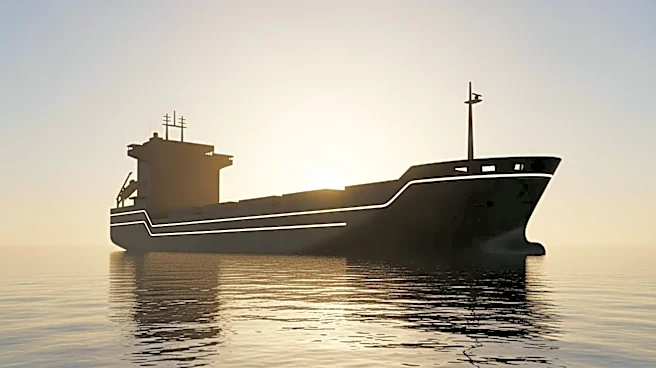
of biofuels for global shipping, which has traditionally relied on used cooking oil. The BHP-chartered bulk carrier Berge Lyngor is being used for the trial, with the bio-blend potentially reducing greenhouse gas emissions by 79% per voyage compared to conventional fuels. The project seeks to evaluate the feasibility of using multiple feedstocks for biofuel production under real-world conditions.
Why It's Important?
The development of alternative biofuels is crucial for reducing the carbon footprint of the maritime industry, which is a significant contributor to global emissions. By exploring new feedstocks like waste animal fat, the project could enhance the sustainability of shipping operations and provide a more diverse and reliable supply of biofuels. This initiative aligns with global efforts to decarbonize the shipping sector and could set a precedent for other industries to adopt similar sustainable practices. The success of this pilot could lead to broader adoption of biofuels, contributing to environmental goals and energy security.
What's Next?
The outcomes of this pilot project will inform future strategies for integrating biofuel blends into existing maritime supply chains. If successful, it could encourage further investment in biofuel infrastructure and technology. The project may also prompt regulatory bodies to consider new standards and incentives for biofuel use in shipping. As the industry seeks to meet international emissions targets, collaborations like this could play a pivotal role in shaping sustainable maritime practices.