






What's Happening?
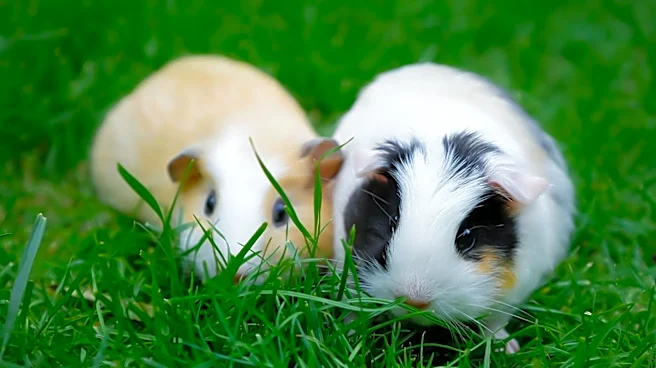
The Guinea Pig Sanctuary in Salisbury, Massachusetts, is currently housing nearly 400 guinea pigs, with owner Kimie Smothermon managing the daily care. The sanctuary, located approximately 40 miles north of Boston, operates in a converted office space
where cages are stacked from floor to ceiling. Volunteers and visitors navigate the cramped and chaotic environment, cleaning cages and attending to sick animals. Each guinea pig has a name and distinct personality, with volunteers noting their individual traits. Smothermon's sanctuary is one of the few in the U.S. dedicated solely to abandoned guinea pigs, addressing a growing need as owners become overwhelmed by the responsibilities of pet care. The sanctuary also offers boarding services and facilitates rehoming. Guinea pigs, originating from South America, are social animals that often need to be adopted in pairs and cannot be kept in cages full-time. Smothermon frequently receives calls from across the U.S. to take in large numbers of guinea pigs, including recent requests for 11 from Illinois, seven from Texas, and 97 from New York.
Why It's Important?
This situation highlights a significant and often overlooked animal welfare issue in the U.S.: the abandonment of small pets like guinea pigs. The overwhelming number of animals at the Massachusetts sanctuary underscores a broader problem of pet owners underestimating the commitment required for these animals, leading to shelters and rescues being stretched thin. The sanctuary's struggle to accommodate hundreds of guinea pigs reflects a national trend where specialized animal rescues fill critical gaps left by general shelters that may not have the resources or expertise for specific species. This creates a strain on limited non-profit resources, relying heavily on dedicated individuals like Smothermon and volunteers. The story also brings attention to the need for greater public education on responsible pet ownership, particularly for animals perceived as 'easy' or 'low-maintenance.' The continuous influx of abandoned guinea pigs from various states suggests a widespread issue that transcends local boundaries, indicating a systemic challenge in animal welfare across the country.
What's Next?
The Guinea Pig Sanctuary will continue its efforts to care for the hundreds of guinea pigs under its roof, relying on volunteers and donations. Smothermon and her team will persist in cleaning cages, providing medical attention, and attempting to rehome the animals. The sanctuary will likely continue to receive calls from across the U.S. for surrenders, indicating an ongoing demand for its services. The long-term sustainability of such specialized rescues depends on increased public awareness, financial support, and potentially, more robust community programs for pet education and assistance. The story may also prompt discussions about the need for more resources and support for animal welfare organizations that cater to specific pet populations, as well as the potential for broader policy changes regarding pet sales and ownership responsibilities to mitigate abandonment rates.
Beyond the Headlines
The narrative of the Guinea Pig Sanctuary delves into the emotional and psychological toll on individuals dedicated to animal rescue. Kimie Smothermon's personal journey, from her grandson's connection with guinea pigs to losing her home and other pets in a fire, illustrates the profound commitment and sacrifice often required in this field. Her statement, 'If I don’t get up, they don’t eat and they can die,' reveals the immense pressure and responsibility she carries. This story transcends simple animal care, touching upon themes of resilience, purpose, and the therapeutic power of animals, as noted by a volunteer who calls guinea pigs 'the best therapy animal next to a horse.' It also subtly critiques societal attitudes towards 'disposable' pets and the lack of infrastructure to support their welfare, forcing individuals to become de facto caregivers for a national problem. The sanctuary's existence highlights the gap between human desire for companionship and the reality of pet care, prompting reflection on our ethical obligations to the animals we bring into our lives.