





What's Happening?
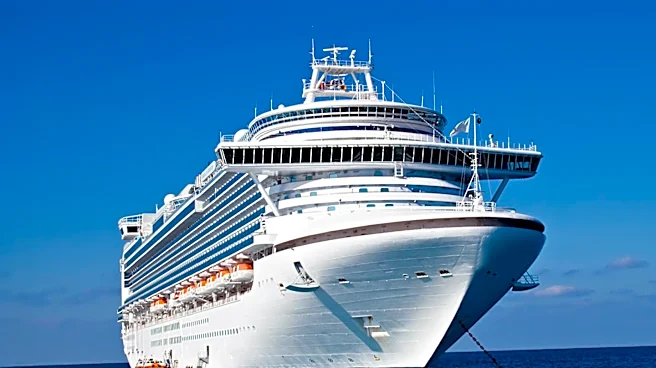
A Carnival cruise ship, the Carnival Conquest, successfully rescued a man who had been stranded at sea on his sailboat for over a week. The rescue operation took place on August 26 while the ship was en route to Grenada. The ship's captain announced the search
to passengers around 1:00 p.m. local time, and the entire operation lasted approximately two hours. Ship tracking data confirms the Carnival Conquest turned and significantly slowed around 2:50 p.m. A Carnival spokesperson confirmed that the Conquest diverted to the vessel's location and safely brought the sole occupant onboard, who remains in the ship's care, separated from passengers. The U.S. Coast Guard was aware of the rescue but deferred jurisdiction to Trinidad and Tobago. No information regarding the rescued man's identity has been released.
Why It's Important?
This incident highlights the critical role of commercial vessels, including cruise ships, in maritime search and rescue operations under international law. The requirement for vessels to assist those in distress at sea underscores a fundamental principle of maritime safety and humanitarian aid. The successful rescue by the Carnival Conquest demonstrates the practical application of this law and the preparedness of cruise lines to respond to such emergencies. It also brings attention to the jurisdictional complexities involved in international waters, where multiple national authorities might be aware of an incident but defer to the most appropriate jurisdiction. The event could serve as a case study for maritime safety protocols and inter-agency cooperation in future incidents, reinforcing the importance of vigilance and rapid response at sea.
What's Next?
Following the rescue, the man remains in the care of the Carnival Conquest, separated from other passengers. It is expected that he will be disembarked at the next suitable port, likely Grenada, where local authorities will take over his care and potentially investigate the circumstances of his being stranded. Further details about his identity and the reasons for his prolonged stranding may emerge as authorities conduct their inquiries. The incident may also lead to internal reviews by Carnival Cruise Line regarding their emergency response procedures and communication protocols during such events. The U.S. Coast Guard, having been aware of the situation, may also review its coordination with international partners in similar future scenarios.
Beyond the Headlines
The rescue of a man stranded for over a week at sea touches upon the broader ethical and legal obligations of mariners worldwide. International maritime law mandates that vessels render assistance to anyone in distress at sea, a principle that transcends national boundaries and commercial interests. This event underscores the inherent dangers of solo sailing and the unpredictable nature of the open ocean, where individuals can quickly find themselves in life-threatening situations. The public's reaction, including passengers sharing videos of the rescue, also highlights the increasing role of citizen journalism and social media in documenting and disseminating real-time events at sea. This incident serves as a powerful reminder of the human element in maritime operations and the collective responsibility to ensure safety on the high seas.