









What's Happening?
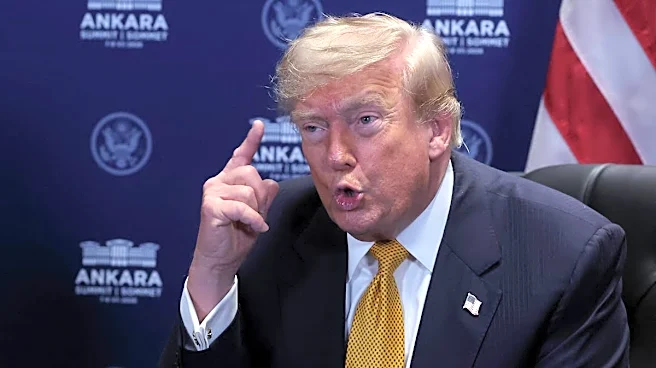
President Trump recently signed a memorandum of understanding with Iran intended to establish a ceasefire and initiate a 60-day negotiation period to address ongoing disputes. However, the agreement's terms have largely been violated, with both nations
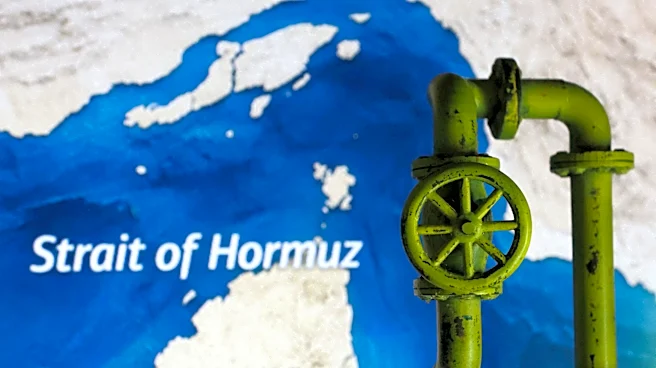
continuing hostilities. The memorandum's 14 clauses, designed to halt military operations and facilitate dialogue, have been mostly ignored, except for the clause mandating continued talks. Despite the agreement, military exchanges have persisted, with the U.S. striking over 150 targets and Iran launching attacks on U.S. bases and commercial vessels. The situation remains tense, with the U.S. reestablishing a blockade in the Strait of Hormuz, contrary to the agreement's terms.
Why It's Important?
The ongoing conflict between the U.S. and Iran has significant implications for global stability and the economy, particularly concerning the Strait of Hormuz, a critical passage for global oil shipments. The failure to adhere to the ceasefire agreement risks prolonging military engagements, which could destabilize the region further and impact global oil prices. The memorandum's collapse also highlights the challenges in diplomatic negotiations with Iran, potentially affecting U.S. foreign policy and its relations with Middle Eastern allies. The situation underscores the complexities of achieving a lasting peace and the potential for continued economic and military strain.
What's Next?
The future of the U.S.-Iran negotiations remains uncertain. The 60-day negotiation period could be extended if both parties agree, but the ongoing hostilities and violations of the memorandum's terms cast doubt on the potential for a peaceful resolution. The U.S. administration may need to reassess its strategy and consider alternative diplomatic or military approaches. Additionally, the international community, including European and Middle Eastern allies, may play a role in mediating the conflict to prevent further escalation and ensure the security of global oil supplies.
Beyond the Headlines
The memorandum's failure highlights broader issues in international diplomacy, such as the challenges of negotiating with nations that have conflicting interests and the difficulty of enforcing agreements without mutual trust. The situation also raises questions about the effectiveness of U.S. foreign policy under President Trump and the potential long-term impacts on U.S. credibility in international negotiations. The ongoing conflict could lead to shifts in regional alliances and influence the geopolitical landscape in the Middle East.