





What's Happening?
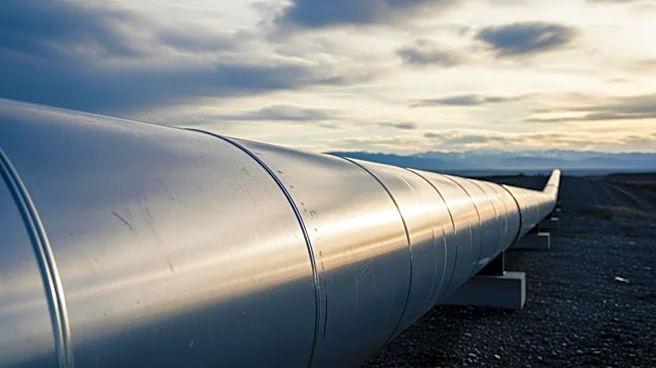
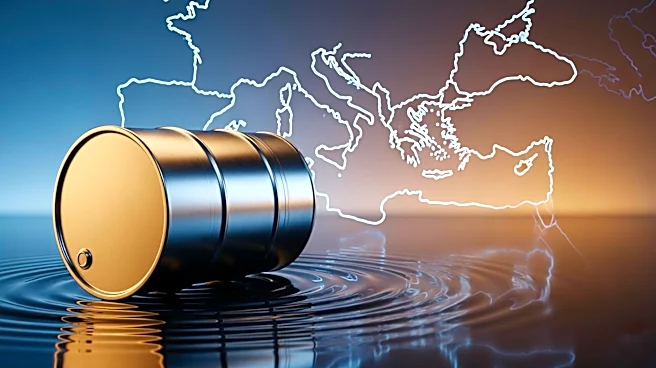
Nigeria is advancing its plans to export gas to Europe through a 13-nation West African pipeline, with a projected start date of 2031. The pipeline, which will span nearly 7,000 kilometers, is designed to transport 30 billion cubic meters of gas annually.
This initiative comes as Europe seeks to diversify its energy sources due to the ongoing global energy crisis exacerbated by the blockage of the Strait of Hormuz. The project, which involves collaboration with Morocco, aims to reduce Europe's dependence on Russian energy and mitigate the impact of Middle Eastern price fluctuations. The foundation for the project was laid in 2018 with the signing of the Front-End Engineering Design agreement between Nigeria and Morocco.
Why It's Important?
The development of the Nigeria-Morocco gas pipeline is significant as it represents a strategic shift in global energy supply chains. For Europe, this pipeline offers a potential solution to reduce reliance on Russian gas, thereby enhancing energy security and stability. For Nigeria, the project presents an opportunity to expand its gas export capacity and strengthen its position as a key energy supplier. The pipeline could also stimulate economic growth and infrastructure development across the participating West African countries. However, the project's success depends on overcoming logistical challenges and securing the necessary funding.
What's Next?
As the project progresses, Nigeria will need to scale its infrastructure to meet the export capacity requirements. The next steps involve securing additional investments and completing the necessary construction phases. European countries are likely to continue supporting the project as part of their broader strategy to diversify energy sources. The successful implementation of the pipeline could lead to further collaborations between African and European nations in the energy sector.