










What's Happening?
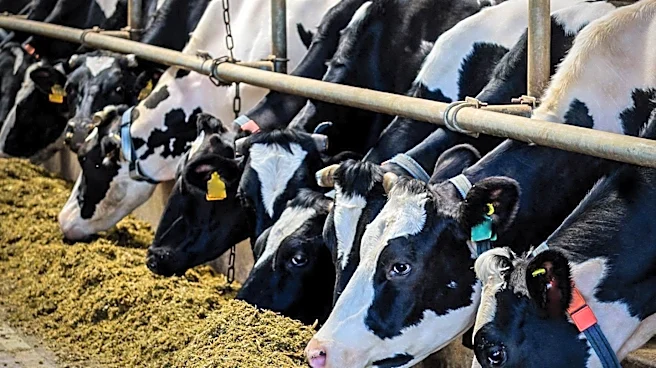
The New World Screwworm, a flesh-eating parasitic fly, has been detected in Texas for the first time in decades. This parasite, which feeds on warm-blooded animals such as cattle, dogs, and horses, poses a significant threat to livestock but is rarely
fatal to humans. The United States had declared itself free of the screwworm in the 1960s, but recent outbreaks have prompted officials to implement containment measures. The primary method of control is the Sterile Insect Technique, which involves releasing sterilized flies to prevent reproduction. However, there are concerns about the adequacy of current production levels of sterile flies and the preparedness of new veterinary recruits to handle the outbreak.
Why It's Important?
The re-emergence of the New World Screwworm in Texas poses a threat to the agricultural industry, particularly livestock farming, which is a significant economic sector in the state. The outbreak could lead to substantial economic losses if not contained effectively. Additionally, the situation highlights the importance of maintaining vigilance against invasive species and the need for robust biosecurity measures. The outbreak also underscores the challenges of managing animal health and disease control in a globalized world, where pests and diseases can spread rapidly across borders.
What's Next?
Efforts to contain the screwworm outbreak will continue, with authorities likely to increase the production of sterile flies and enhance training for veterinary professionals. There may also be calls for increased funding and resources to support these efforts. The situation could prompt a review of biosecurity protocols and the development of new strategies to prevent future outbreaks. Additionally, collaboration with international organizations and experts may be necessary to address the issue effectively.