






What's Happening?
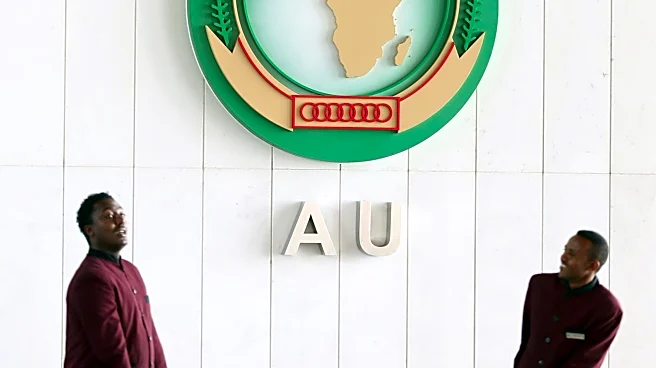
The African Union Advisory Board Against Corruption (AUABC) is set to convene its 2026 Annual African Anti-Corruption Dialogue on November 9, 2026, in Arusha, Tanzania. The dialogue, themed 'Scaling Up the Promotion of Integrity and Anti-Corruption Actions
Across Africa,' aims to bring together representatives from African Union Member States, national anti-corruption institutions, civil society organizations, academia, media, faith-based organizations, traditional leaders, and the private sector. The initiative seeks to strengthen collective efforts against persistent corruption, which continues to hinder sustainable development, weaken public institutions, and erode public trust across the continent. Despite progress in establishing legal and institutional frameworks, including the 2003 African Union Convention on Preventing and Combating Corruption (AUCPCC), further efforts are needed to translate commitments into tangible results.
Why It's Important?
While this event is primarily focused on the African continent, its implications can extend to U.S. businesses and foreign policy. U.S. companies operating in Africa often face complex regulatory environments and corruption risks, making robust anti-corruption efforts by African nations beneficial for fostering a more transparent and predictable business climate. Increased integrity and reduced corruption can lead to more stable markets, fairer competition, and greater investment opportunities for U.S. firms. From a foreign policy perspective, the U.S. has a vested interest in promoting good governance and stability in Africa, as corruption can fuel instability and undermine democratic institutions. Therefore, the outcomes of this dialogue, particularly any roadmap for scaling up integrity promotion, could indirectly influence U.S. engagement and investment strategies in the region.
What's Next?
The 2026 Dialogue is expected to produce a roadmap for scaling up integrity promotion across Africa and a set of continental recommendations for integrating education, religion, culture, family, and technology into national anti-corruption strategies. It also aims to strengthen partnerships among governments, civil society, and communities. The hybrid format will allow for broad participation, and the AUABC is calling for public engagement to amplify its messages. The focus on protecting whistleblowers and anti-corruption activists suggests a commitment to empowering those on the front lines of the fight against corruption. These outcomes could lead to more coordinated and effective anti-corruption measures across African nations, potentially creating a more favorable environment for international cooperation and investment, including from the U.S.
Beyond the Headlines
The dialogue's emphasis on a 'whole-of-society approach' to integrity, extending beyond institutional reforms to everyday life, highlights a deeper understanding of corruption as a systemic issue rooted in cultural and societal norms. By exploring the roles of education, religion, culture, family, and technology, the African Union is acknowledging the multifaceted nature of corruption and the need for comprehensive, long-term solutions. This holistic perspective could serve as a model for other regions grappling with similar challenges, including how to foster ethical conduct and accountability at all levels of society. The responsible deployment of digital technologies, with safeguards for human rights and privacy, also points to the ethical considerations inherent in leveraging technology for governance and anti-corruption efforts, a challenge relevant globally.