








What's Happening?
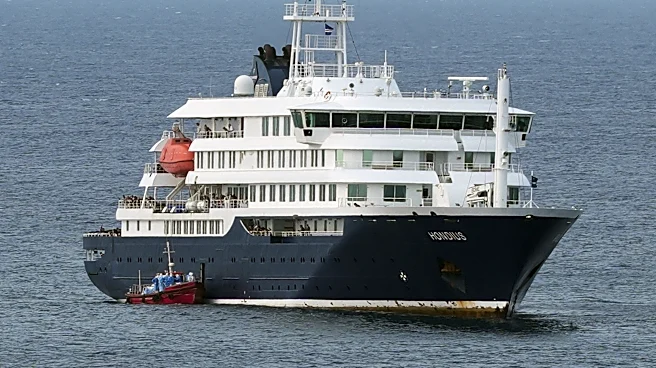
Argentina is investigating a hantavirus outbreak on the MV Hondius cruise ship, which departed from the country and has seen several passengers return to their home countries, including the U.S. The World Health Organization ranks Argentina as having
the highest incidence of hantavirus in Latin America. The outbreak has resulted in three deaths and several infections, with passengers being monitored in various countries. The Argentine health ministry is working to trace the source of the virus, which is believed to be linked to climate change and increased rodent populations. The virus can cause severe lung disease and is typically spread through contact with infected rodents.
Why It's Important?
The outbreak underscores the global health risks associated with infectious diseases and the challenges of containing them in a highly interconnected world. The potential spread of the virus to other countries, including the U.S., highlights the need for international cooperation in monitoring and controlling infectious diseases. The situation also draws attention to the impact of climate change on the spread of diseases, as changing ecosystems allow disease-carrying rodents to thrive in new areas. This could lead to increased health risks and necessitate new public health strategies to address emerging threats.
What's Next?
Argentina is sending genetic material and testing equipment to several countries to aid in detecting the virus. Authorities are also working to trace the movements of infected passengers to prevent further spread. The cruise ship has been allowed to continue its journey to the Canary Islands, but concerns remain about the potential for further infections. The situation may prompt discussions on improving health protocols for international travel and cruise operations, as well as enhancing global surveillance systems for infectious diseases.