
What's Happening?
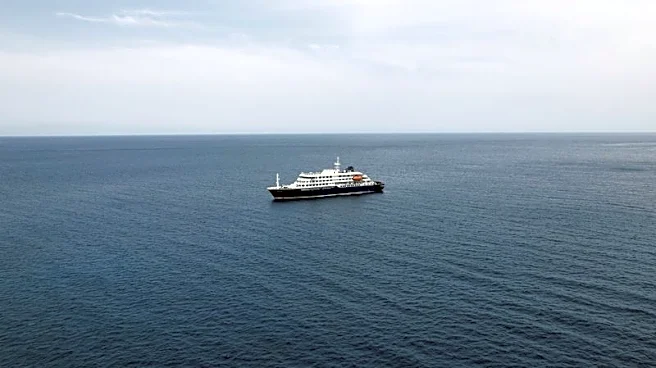
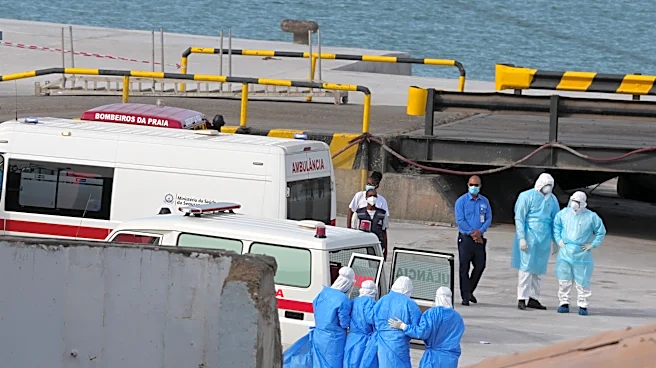
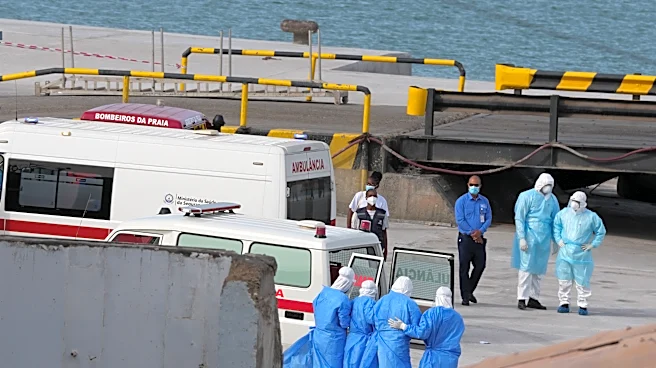
A hantavirus outbreak aboard the MV Hondius cruise ship has resulted in the deaths of three passengers and the infection of several others, including U.S. citizens. The virus, identified as the Andes virus, is the only
hantavirus known to be transmitted from person to person. U.S. officials are monitoring passengers from Arizona, California, Georgia, Texas, and Virginia who were on the ship. The outbreak began with a passenger who boarded the ship already infected, and the virus has since spread to others. The World Health Organization has stated that the risk to the general public is low, but the situation is being closely monitored.
Why It's Important?
The outbreak highlights the potential risks associated with international travel and the spread of infectious diseases. The Andes virus, while rare, poses a significant health risk due to its ability to spread between humans. This situation underscores the importance of stringent health protocols and monitoring systems for travelers, especially in confined environments like cruise ships. The incident may prompt a review of health and safety measures in the travel industry, particularly for cruise operators, to prevent similar outbreaks in the future.
What's Next?
Health authorities in the U.S. and internationally are likely to increase monitoring and contact tracing efforts to prevent further spread of the virus. Cruise operators may face increased scrutiny and be required to implement more rigorous health checks and sanitation measures. The situation could lead to changes in travel advisories and impact the cruise industry, as potential travelers may become more cautious about booking cruises. Ongoing investigations will determine the full extent of the outbreak and inform future public health responses.