





What's Happening?
Oil prices have surged as Iran's demands for reopening the Strait of Hormuz have heightened market anxieties. Brent crude, the international benchmark, increased by over 1% as Iran insists that the critical waterway will not reopen without significant
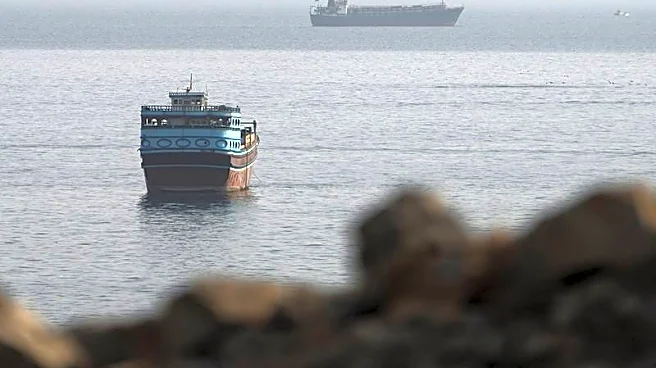
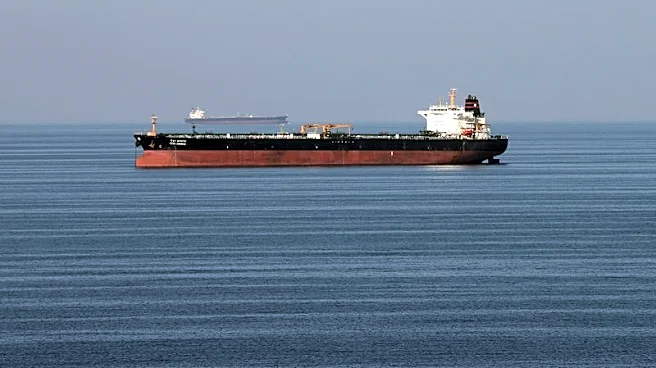
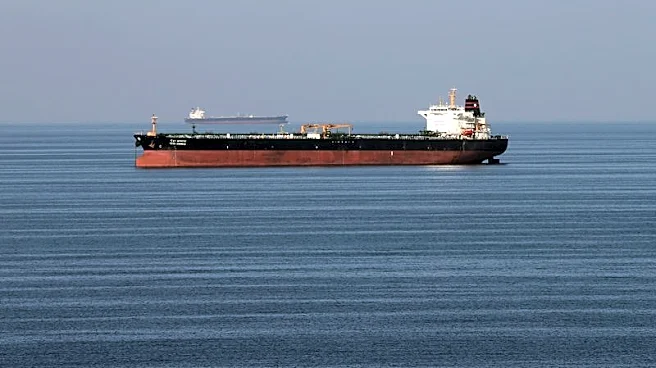
concessions from the United States. The Iranian Foreign Minister, Abbas Araghchi, stated that while Iran and Oman are nearing an agreement, the strait will remain closed until the U.S. eases sanctions and pays war reparations. The Strait of Hormuz, a vital conduit for about one-fifth of global oil supplies, has seen a dramatic reduction in shipping since the conflict began in late February, leading to the largest energy disruption in recorded history. The situation has resulted in a significant risk premium being added to oil prices, with traders becoming increasingly cautious as negotiations stall.
Why It's Important?
The closure of the Strait of Hormuz has significant implications for global energy markets, as it is a crucial passage for oil transportation. The ongoing conflict and Iran's demands have led to increased volatility in oil prices, affecting global economic stability. The situation underscores the geopolitical tensions in the region and the potential for further disruptions in energy supplies. The U.S. and other stakeholders face pressure to negotiate a resolution to prevent further economic fallout. The increased oil prices could lead to higher costs for consumers and businesses, impacting economic growth and inflation rates worldwide.
What's Next?
Negotiations between Iran, Oman, and the United States are expected to continue, with the potential for diplomatic breakthroughs or further stalemates. The international community will be closely monitoring the situation, as any agreement or escalation could have significant repercussions for global energy markets. Stakeholders, including major oil-importing countries, may seek alternative energy sources or routes to mitigate the impact of the strait's closure. The situation also raises questions about the long-term security of global oil supply routes and the need for diversified energy strategies.