








What's Happening?
New York City is currently dealing with an outbreak of Legionnaire’s disease on the Upper East Side, with 18 cases reported. Health officials have identified the likely source as cooling towers on top of buildings, which can spread the legionella bacteria
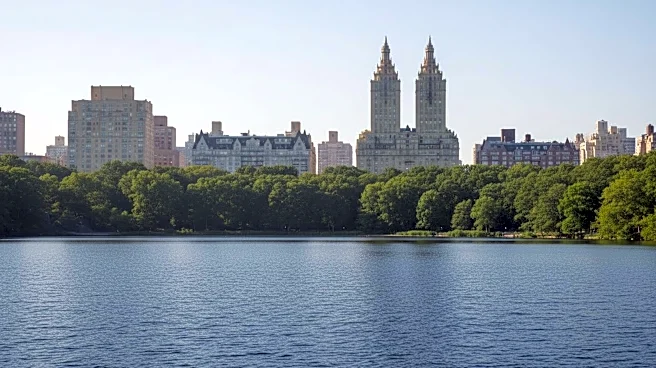
through mist. The affected area includes popular tourist spots such as the Metropolitan Museum of Art and the Central Park Reservoir. Visitors to Central Park, particularly between 76th and 97th Streets, are advised to monitor for symptoms like fever, cough, and shortness of breath. The disease is treatable with antibiotics but can be fatal if left untreated, especially for those over 50 or with weakened immune systems.
Why It's Important?
The outbreak poses a significant public health concern, especially during the busy summer tourist season. With Central Park being a major attraction, the potential for exposure is high, affecting both residents and tourists. The situation underscores the importance of maintaining and monitoring building cooling systems to prevent such outbreaks. The economic impact could be substantial if tourism is affected, as visitors may avoid the area due to health concerns. Additionally, the outbreak highlights the need for public awareness and timely health interventions to prevent further cases.
What's Next?
City health officials are actively testing cooling towers in the area to pinpoint the source of the outbreak. As more people become aware and get tested, the number of reported cases may increase. Authorities are likely to implement stricter regulations and monitoring of cooling systems to prevent future outbreaks. Public health campaigns may be launched to educate the public on symptoms and prevention measures.